Water Purifiers
Products · Water Purifiers
3 active deals
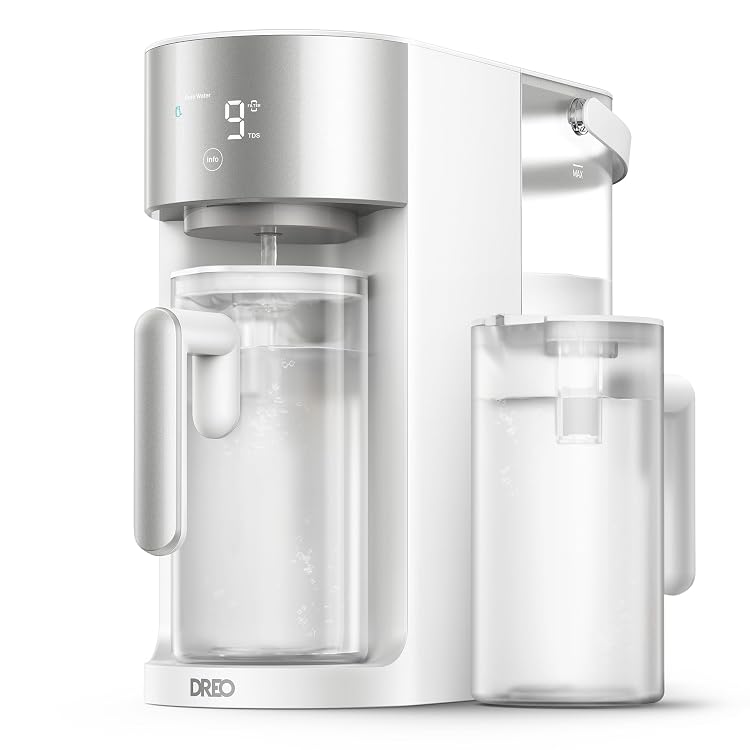
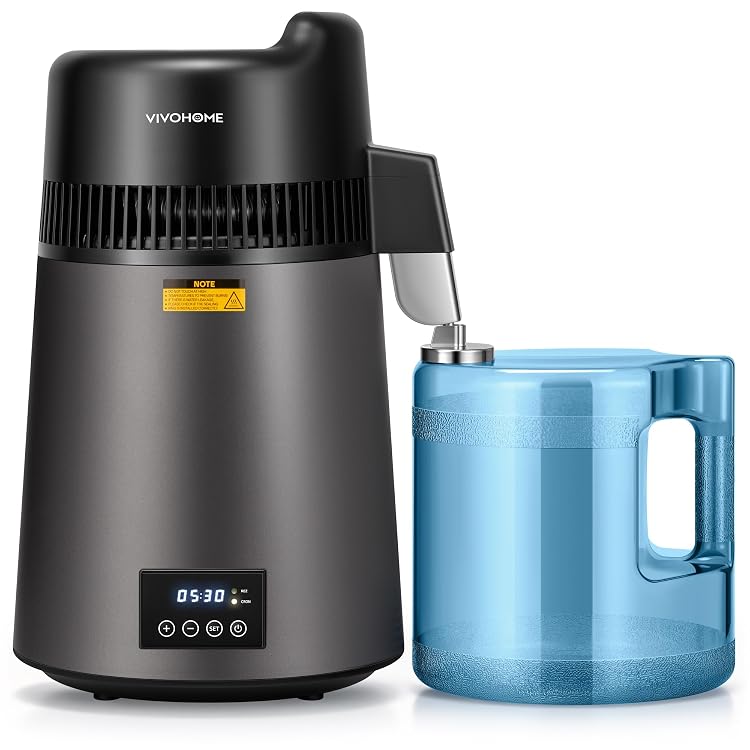
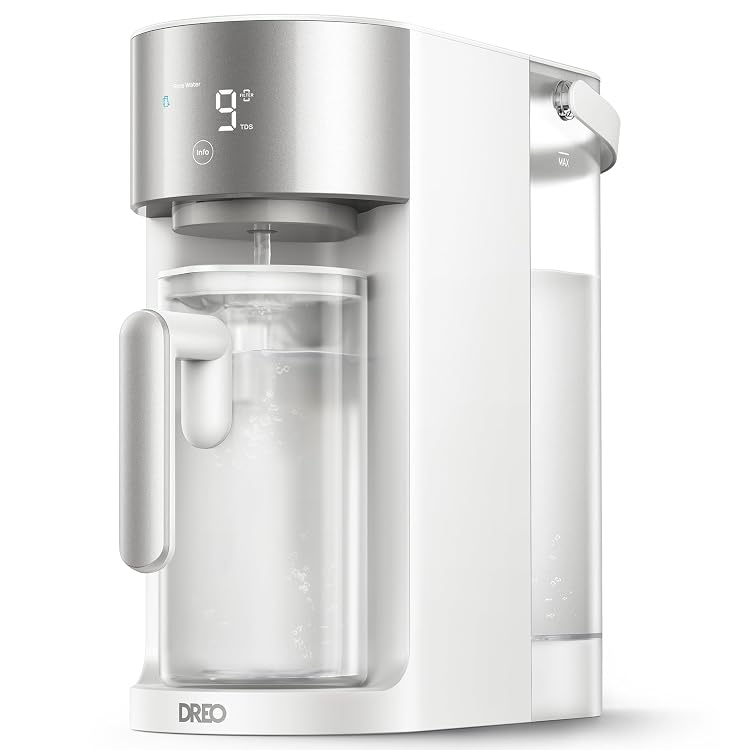
Choosing a water purifier for your supply and intended use
Choose a domestic water purifier for a known supply and a verifiable purpose. This category covers complete appliances, including electric countertop reverse osmosis systems, rather than loose replacement cartridges. Never assume an appliance removes every contaminant or makes any source of water safe to drink.
Establish what water needs treatment
Improving the taste of already potable water is different from reducing an identified substance. Consult information about your water supply or arrange an appropriate analysis if the source or issue is unclear. Well water, water of unknown origin or water subject to a health advisory does not become suitable merely because it passes through a domestic appliance.
- Follow the authorities' instructions; the appliance does not replace measures required by an advisory.
Link the technology to documented reductions
Activated carbon may improve taste and odour or reduce specific substances, depending on the filter; it does not imply disinfection. Reverse osmosis reduces certain dissolved substances within specified operating conditions, not everything. UV only covers the stated microbiological treatment under the necessary conditions and does not remove chemical contaminants by itself. Check documentation for the exact model, tested substances, test conditions and the scope of any certification.
- A dissolved solids reading or a logo alone cannot demonstrate that water is potable.
Check installation and input compatibility
Appliances with a feed tank avoid some plumbing connections but need filling, emptying and room to remove containers. Plumbed models need compatible water pressure, temperature, supply connections and drainage where required. Measure clearance with lids open and consider the electrical supply. Do not feed hot water unless the manufacturer permits it. Fixed installations or plumbing and electrical uncertainties require a qualified professional.
- Confirm the permitted input water range and exact connections rather than improvising adaptations.
Compare usable output and consumption
Tank capacity does not necessarily equal the amount available to drink, and advertised flow may depend on test conditions unlike those at home. Check production time, usable reserve and recovery between uses. With reverse osmosis, distinguish treated water from reject water: a favourable ratio does not prove better contaminant reduction. Include electricity and replacement components when considering the ongoing maintenance commitment.
- Compare output and discarded water under equivalent conditions, not just the appliance's external size.
Keep treatment within its operating limits
Find the exact replacement codes for cartridges, membranes and lamps where fitted, and check availability. Follow the stated time and volume limits, commissioning procedure and prescribed flushing. A replacement reminder does not necessarily measure water quality. Clean tanks and outlets as instructed and follow the restart guidance after periods without use. Normal smell or clear appearance is not a guarantee of safety.
- Locate the cleaning, replacement and fault shutdown instructions before choosing the appliance.