Coffee Makers
Products · Coffee Makers
2 active deals
Coffee machines: choose for your taste and daily routine
A machine can make an intense espresso yet prove inconvenient if you need two large mugs every morning. Getting the choice right means matching your favourite drink to the work you are willing to repeat.
Picture a normal morning: how many coffees you make in a row, who drinks milk and how much worktop space is available. That scene is a better guide than a pressure rating or a menu of drinks.
Filter or capsules: start with what goes in your cup
For a long filter coffee or several servings at once, a filter machine is usually more practical than making one espresso after another. It is not aiming for the same concentration or texture. An insulated carafe keeps coffee warm without continuously heating it. A hotplate maintains temperature, but leaving coffee on it for too long can alter the flavour. The minimum quantity the machine brews well matters too.
Capsules suit people who prioritise making one drink with little handling. The system determines capsule formats, serving sizes and coffee availability: capsules are not universal. For large cups, distinguish between coffee designed for that volume and greatly extending the extraction of a capsule intended for a short drink, which can increase bitterness.
Manual or bean-to-cup: decide how involved you want to be
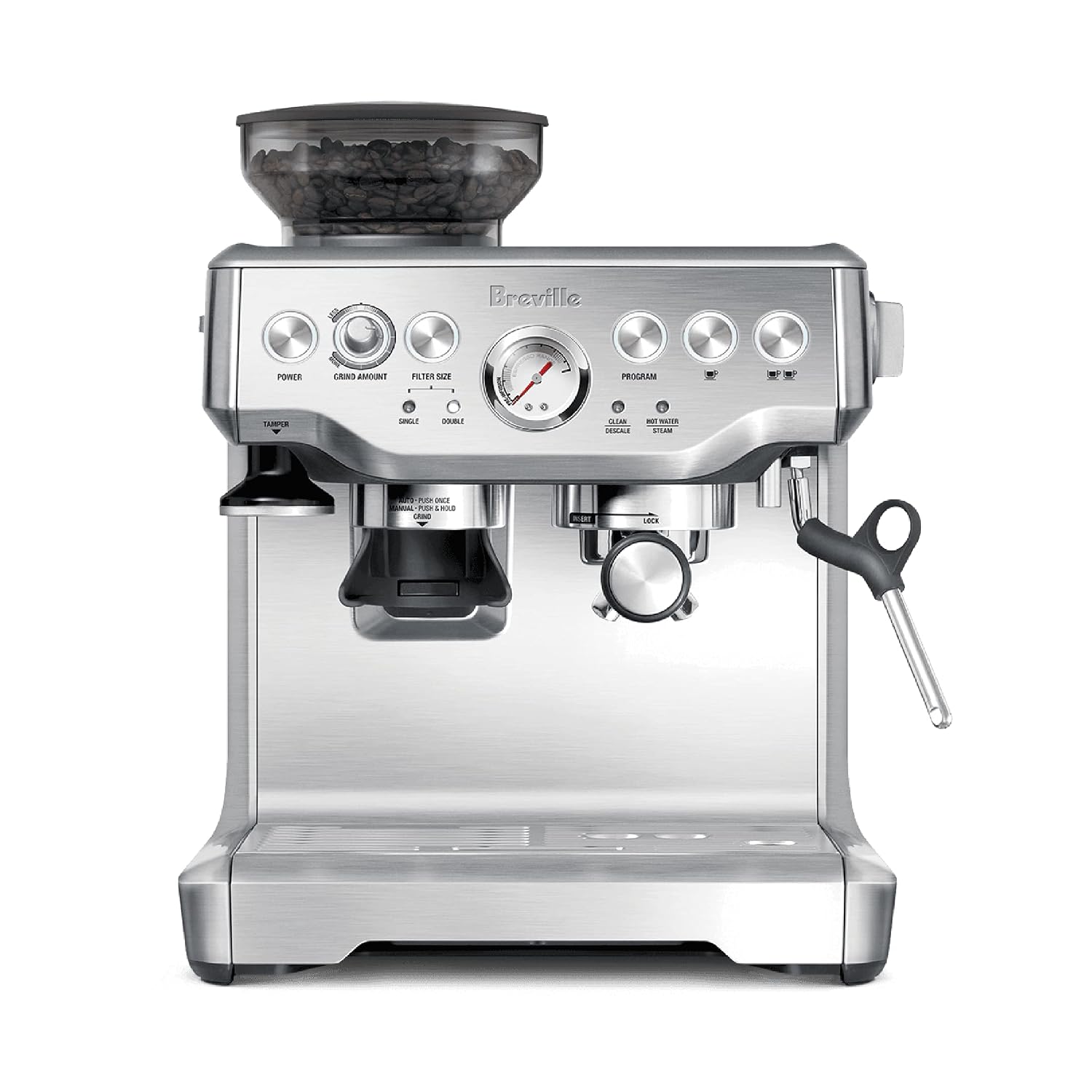
A manual espresso machine lets you adjust dose, grind and extraction, but requires consistent dosing, distributing the grounds and cleaning the portafilter. A pressurised basket makes it easier to start with pre-ground coffee. A non-pressurised one offers more scope for adjustment but needs a suitable grind. Paying for that control makes sense if you want to practise, not if you want fewer steps.
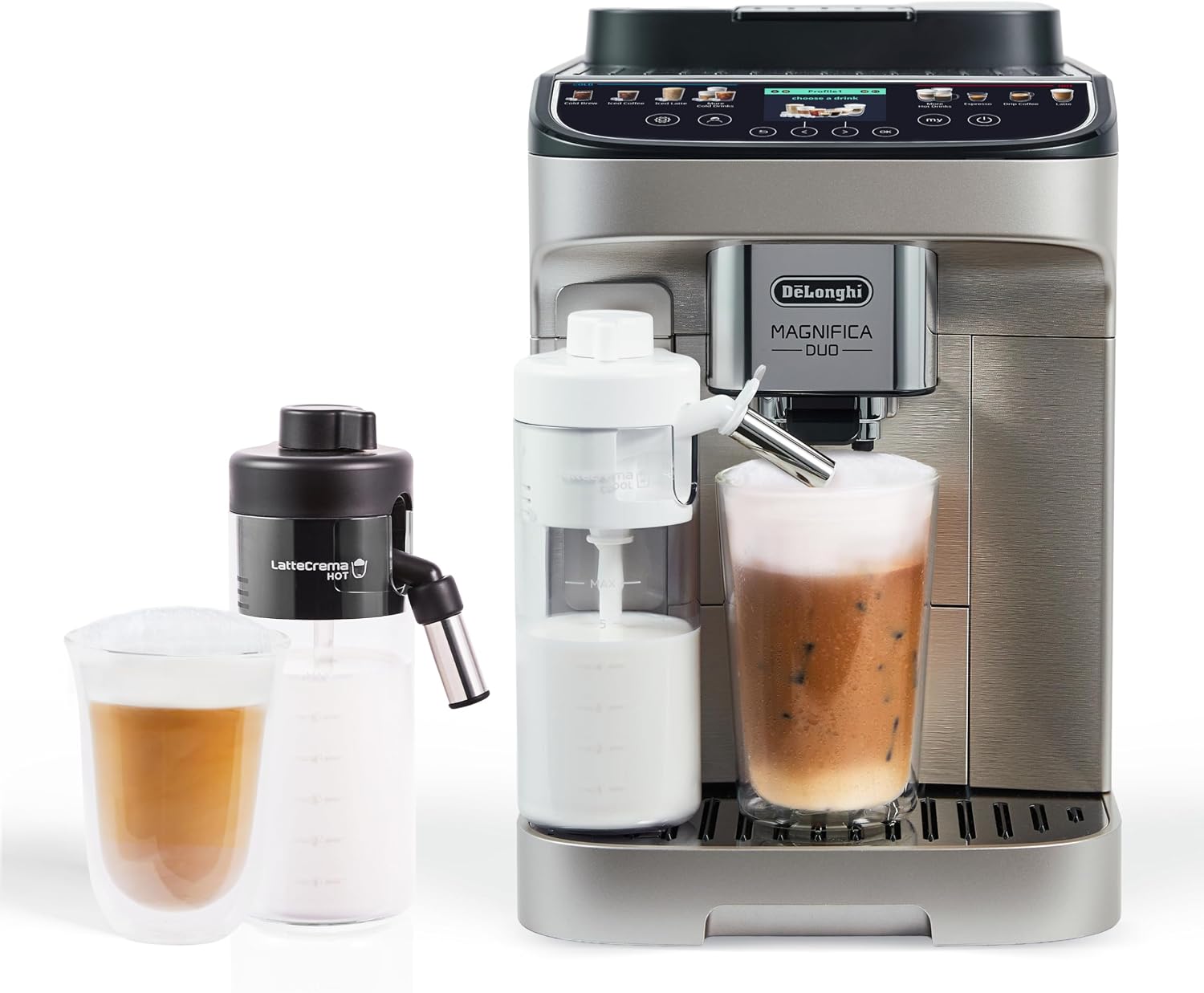
A fully automatic bean-to-cup machine grinds and brews with little intervention, although it does not eliminate maintenance. It suits households that repeat the same drinks and value saved settings. It rarely offers the freedom of a well-adjusted manual setup. For an occasional decaf, a separate pre-ground coffee chute can save you from emptying the bean hopper.
Coffee, grinding and space need to work together
For espresso, a burr grinder with fine adjustments often contributes more than extra machine functions. Filter coffee uses coarser grinds and is generally less demanding. Blades produce uneven particles. Pre-ground coffee simplifies the routine but loses aroma after opening and may not suit your filter basket.
With bean-to-cup machines, follow the guidance on beans: some models advise against very oily or caramelised beans. An integrated grinder saves you a separate appliance, not necessarily worktop space. Allow room above for refilling beans and enough clearance to remove the water tank and brewing unit.
The advertised pressure does not tell the whole extraction story
A 15- or 19-bar pump does not guarantee better espresso: that figure usually describes its maximum capability, not the actual pressure at the coffee. Stable temperature, water distribution and grind matter too. A pressure gauge helps you interpret what is happening, but it cannot correct poor preparation.
Fast heating does not mean the portafilter and cup are hot either. For repeated short coffees, consider stability between extractions and control over the amount dispensed. A programme called “long coffee” does not necessarily combine espresso with separate hot water: distinguish that function from passing more water through the same grounds.
Several drinks and milk: look for smooth workflow, not just capacity
A one- or two-litre tank does not tell you how many drinks you will get: cup volume, rinsing and steam all affect that. For several users, the grounds container and drip tray matter too. On filter machines, the advertised “cups” may be smaller than your usual mug. Compare capacity in millilitres.
If cappuccinos or milky coffees dominate, switching from brewing to steaming can slow down service. A single boiler may involve waiting. Independent circuits offer a smoother workflow but cost more and take up more room. A steam wand gives you control over texture and temperature, with practice. An automatic system simplifies serving but adds passages to clean. Plant-based drinks do not all foam equally well.
Cleaning, water and spare parts underpin everyday use
Automatic rinsing does not replace cleaning the milk circuit after use or emptying and drying trays and grounds containers. A removable brewing unit makes home cleaning easier. A fixed one needs its specific cleaning procedure. On a filter machine, a wide-necked carafe and an accessible filter holder are everyday advantages.
Water affects flavour and limescale. Setting its hardness in the menu makes maintenance alerts more relevant, but a filter does not always remove the need for descaling. Use compatible products and procedures, not improvised remedies. The availability of seals, filters, brewing units and servicing deserves attention before you pay more.
Calculate the cost of your drink, not just the machine
Divide the pack cost by the doses you actually prepare. As a calculation example, an 18 g dose gives about 55 preparations per kilogram before purging and waste. It is not a compulsory recipe. With capsules, count the units per drink, especially if you use two to fill your mug.
Add paper or water filters, descaler, milk-system cleaning products and potential replacement parts. For a manual machine, include a grinder if the setup needs one. When comparing offers, distinguish a machine alone from a bundle with useful accessories: extra programmed drinks add little if you always drink the same thing. Easier cleaning can genuinely change your routine.