Medical Thermometers
Products · Medical Thermometers
1 active deal
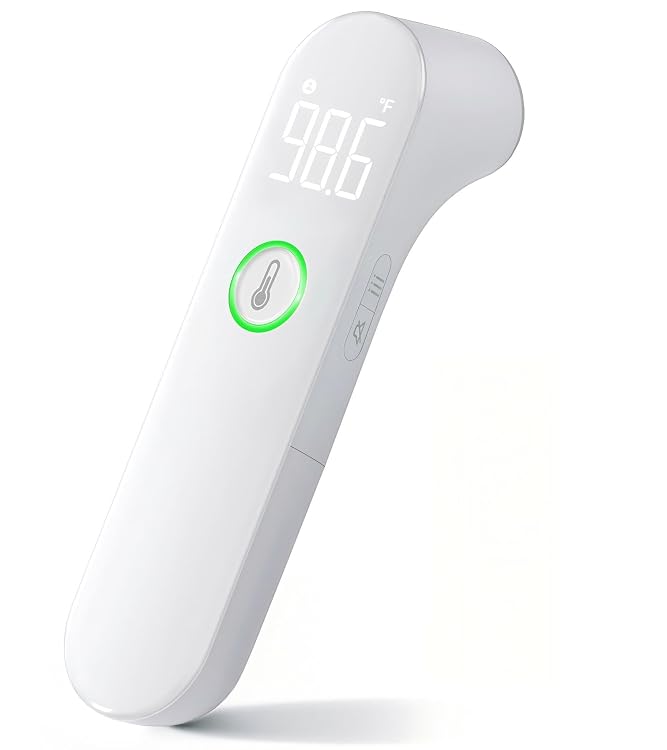
Medical thermometers: choose the method, display and hygiene requirements
When buying a body thermometer, what matters is being able to repeat the prescribed method with the person using it. The quickest reading or brightest display is not enough. Confirm that the product is intended for clinical use and the relevant age: a kitchen, surface or environmental thermometer is not a substitute.
Choose a measurement site you can use correctly
Digital contact models may be intended for particular measurement sites; a flexible tip does not authorise every use. Infrared ear and forehead models have their own positioning requirements, while non-contact forehead models require the distance and alignment specified in the manual. Compare those demands with the user's mobility and cooperation. For babies or particular circumstances, seek guidance on the method's suitability.
- Check permitted ages and measurement sites, not just the word family.
Separate accuracy, resolution and speed
Display decimal places describe resolution, not measurement error. Look for stated accuracy, the range it applies to and documented test conditions for that model. Check the manufacturer, identification and regulatory documents relevant to the country, without treating a graphic mark as universal approval. A beep may signal a predicted reading or measurement completion depending on the device; read what it means.
- No accuracy figure or reading time can be assumed for all thermometers.
Modes and surroundings can change the reading
On a device with body and object modes, make sure you can recognise which is selected. Read environmental limits and guidance on changes in device temperature, perspiration or other circumstances affecting the method. Readings from different body sites should not be treated as equivalent or corrected by adding a fixed amount. If results are inconsistent or cause concern, seek health-care advice rather than interpreting the number as a diagnosis.
A useful display and memory that separates users
Check digit size, lighting, units and how easily you can distinguish a new measurement from a saved one. Memory is useful only if you can identify whose record it is and its context. A colour indicator depends on the manufacturer's thresholds and settings; it does not replace clinical assessment. Also consider whether sound can be disabled while retaining a clear completion indication.
Hygiene and model-specific consumables
Probe covers, where required, must be the compatible ones specified: they are not universal accessories. Check availability and cost, along with batteries and the battery-compartment closure, especially around children. Non-contact use does not eliminate sensor maintenance. Follow authorised cleaning methods and do not alternate the same probe between oral and rectal use. Check the manufacturer's process for having a damaged sensor or abnormal readings investigated.