Home Diagnostic Tests
Products · Home Diagnostic Tests
4 active deals
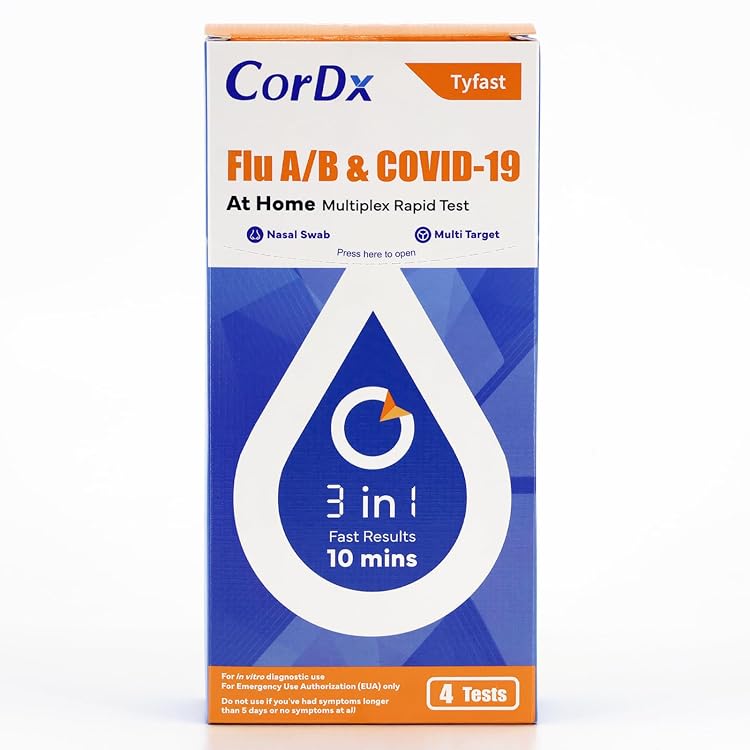
CorDx TyFast ACT21002-4 Flu A/B & COVID-19 Home Test, 4 Tests
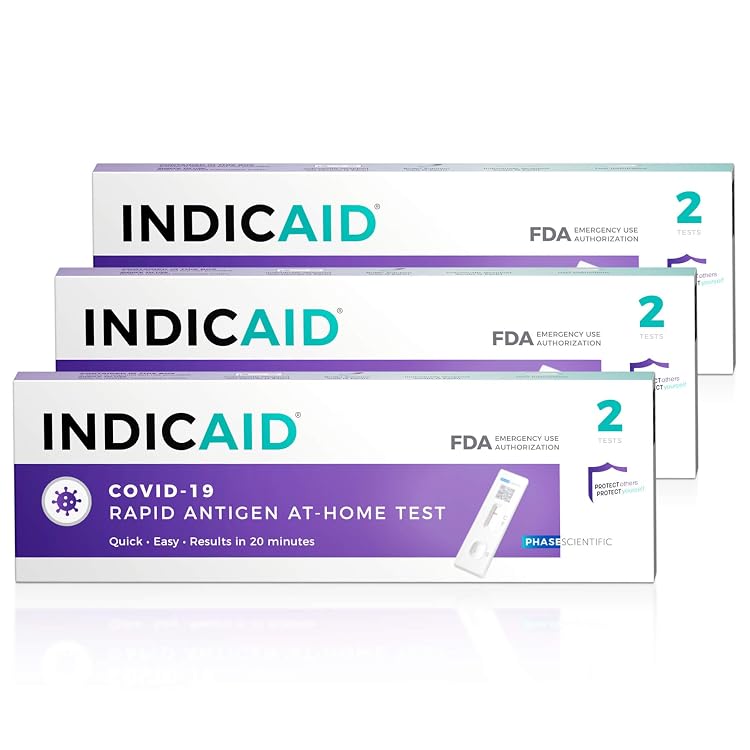
INDICAID COVID-19 Antigen Rapid Test, FDA EUA-Authorized OTC
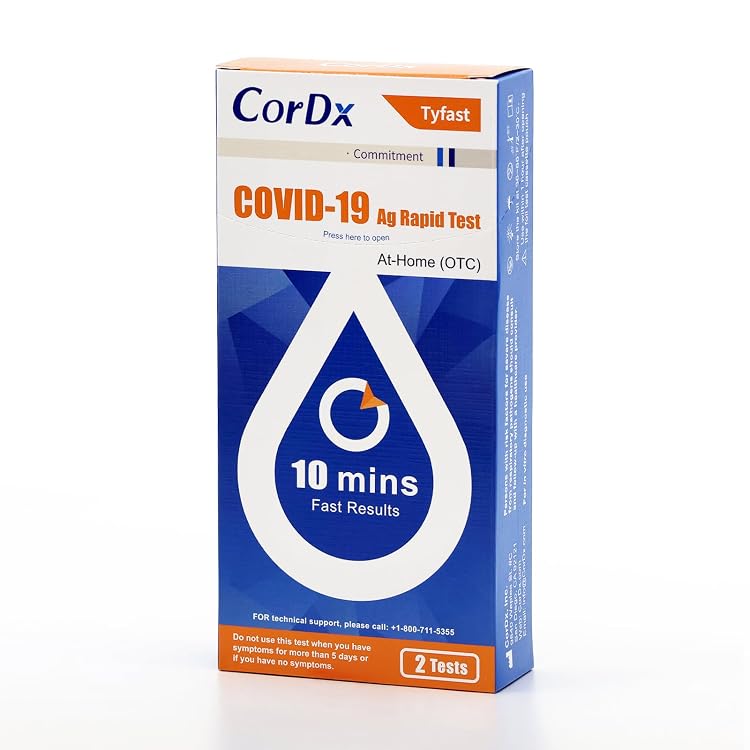
CorDx TyFast COVID-19 Rapid Antigen Test Kit, 2 Tests, 10-Minute Results
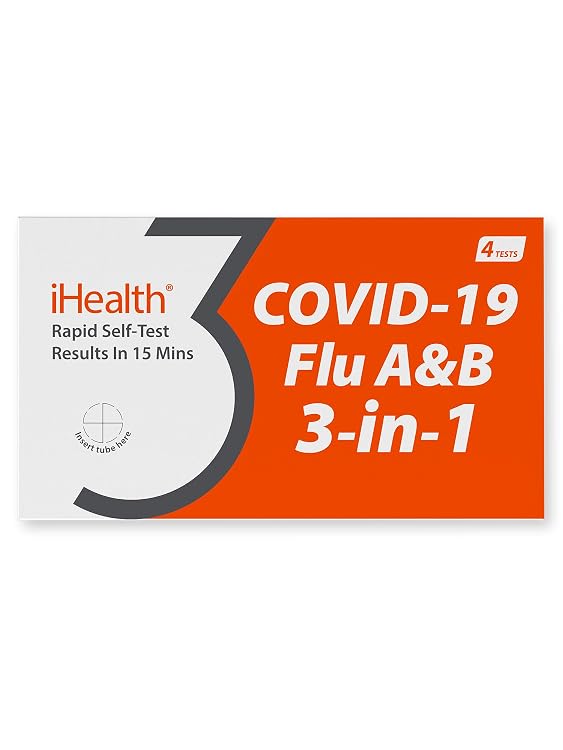
iHealth Flu A/B & COVID-19 3-in-1 Rapid Test, 4 Tests
What to check when choosing a home diagnostic test
Home tests are not interchangeable: their purpose, sample requirements and routes to a result vary. Compare kits using the documentation for the actual product and its intended use. This guide covers product selection and handling, not the interpretation of results or decisions about treatment.
Intended purpose and kit format
Identify what the test is intended to detect or measure, who it is for and whether it is designated for home self-testing. A collection kit sent to a laboratory differs from a test that displays a result at home. Professional-use reagents do not become self-tests because they are sold individually. Check manufacturer identification and the documentation applicable in the country of use. Do not assume identical authorisations or consumer entitlements across markets, or infer certification from packaging appearance.
- Verify the exact purpose and any user restrictions stated on the label.
- For laboratory kits, check processing arrangements, result communication and conditions for handling personal data.
Sample, specified timing and contents
Compare the required sample and collection method without substituting one sample type for another. The appropriate timing and any preparation must come from that test's instructions, not generic rules for the whole category. Check whether the pack contains collection materials, reagents and necessary accessories, or requires a separate timer. Readability, language and the dexterity needed also matter. Choose a format whose procedure you can follow as written rather than one that would require improvised steps or guessed quantities.
- Read the complete instructions before choosing, including prerequisites and any additional equipment.
- Do not swap swabs, liquids or components between different kits, even if they look equivalent.
Storage, expiry and package integrity
Check the expiry date, storage conditions and limits that apply after opening each package. A multi-test box does not mean opened components can be kept indefinitely. Examine seals and batch identification, and retain information needed to identify manufacturer notices. Heat, humidity or other conditions outside the specified range may affect a kit without leaving visible signs. Do not reuse single-use components or use expired or damaged materials. Consider where the kit will actually be stored rather than just how compact the box looks.
- Plan storage around the specified temperature and protection requirements.
- If previous storage conditions are uncertain, clarify suitability with the manufacturer before using the kit.
Reading requirements and limitations
Look for clear instructions covering the reading window, control elements and the procedure for an invalid test. A visible mark or displayed result alone cannot establish that the process was valid. Compare documented limitations without transferring accuracy figures from another model or assuming a diagnostic guarantee. A home result does not replace professional assessment and must not delay care. This guide cannot be used to interpret a result or to start, stop or alter treatment; its role is to help assess the product.
- Check that you understand the reading instructions and can follow the test's specific timing.
- Keep the test name, batch details and instructions available to identify the product used if necessary.