Audio Systems & Subwoofers
Products · Audio Systems & Subwoofers
2 active deals
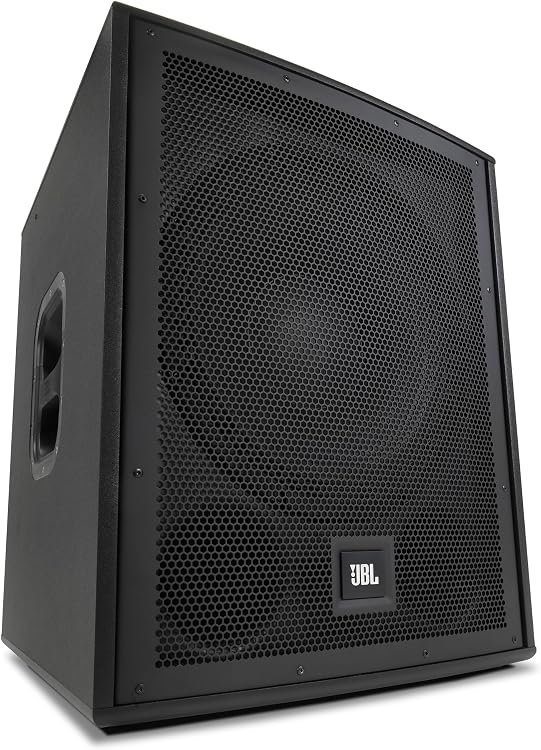
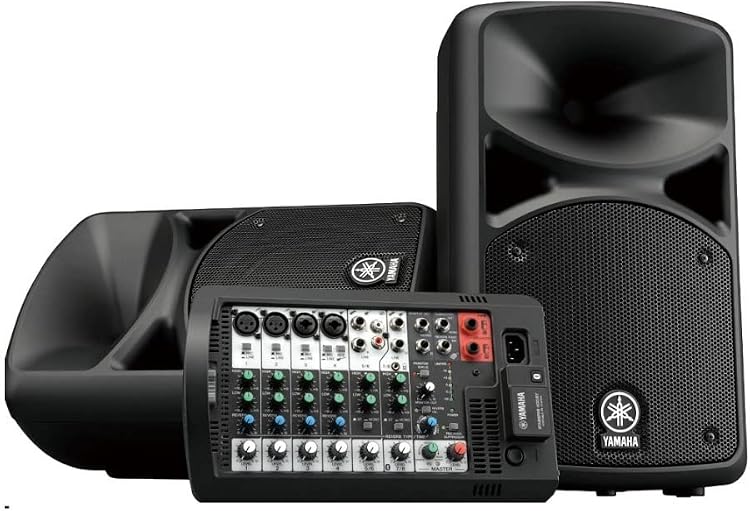
Audio systems and subwoofers: building a balanced setup
A speaker set needs to suit both your room and the equipment driving it. A standalone subwoofer can instead fill a gap in a system you already own. Decide whether the aim is better stereo music, surround sound for films, or bass that your current speakers struggle to reproduce clearly.
A complete set or an addition
Check the actual contents of a package: front speakers, a centre, rear speakers and a subwoofer are not necessarily all included. For films, a matching centre can keep voices consistent as you move between seats. For music in a small room, two well-positioned speakers may be more useful than numerous boxes you cannot place properly. AV receivers and soundbar-centred packages are outside this category.
Compatibility matters more than headline watts
Active speakers have built-in amplification; passive speakers need a separate amplifier. For passive models, check impedance and the recommendations supplied with the partnering equipment. An active subwoofer needs an input that matches an available output, while wireless connections often work only within particular systems. Do not compare wattage figures without understanding their measurement conditions, or treat them as a direct indication of sound quality.
Bass that works in your room
Room volume, walls and listening position strongly affect the result. A larger subwoofer does not automatically produce more precise bass at everyday listening levels. Consider cabinet dimensions, level, phase and crossover controls, and whether your equipment lets you use those adjustments effectively. In a flat, placement and control deserve attention: reducing physical vibration is not the same as preventing sound from reaching neighbouring rooms or homes.
Space, cabling and a meaningful audition
Measure each speaker position and allow the manufacturer's clearance for ventilation and connections. Find out whether cables, brackets and grilles are included. Listen to dialogue, acoustic music and bass-heavy passages at your normal volume, rather than relying on a dramatic showroom demonstration. Check whether bass masks speech and whether voices remain intelligible from your seat. Practical return arrangements matter because your home's acoustics can change the performance you heard elsewhere.