Headphones
Products · Headphones
3 active deals
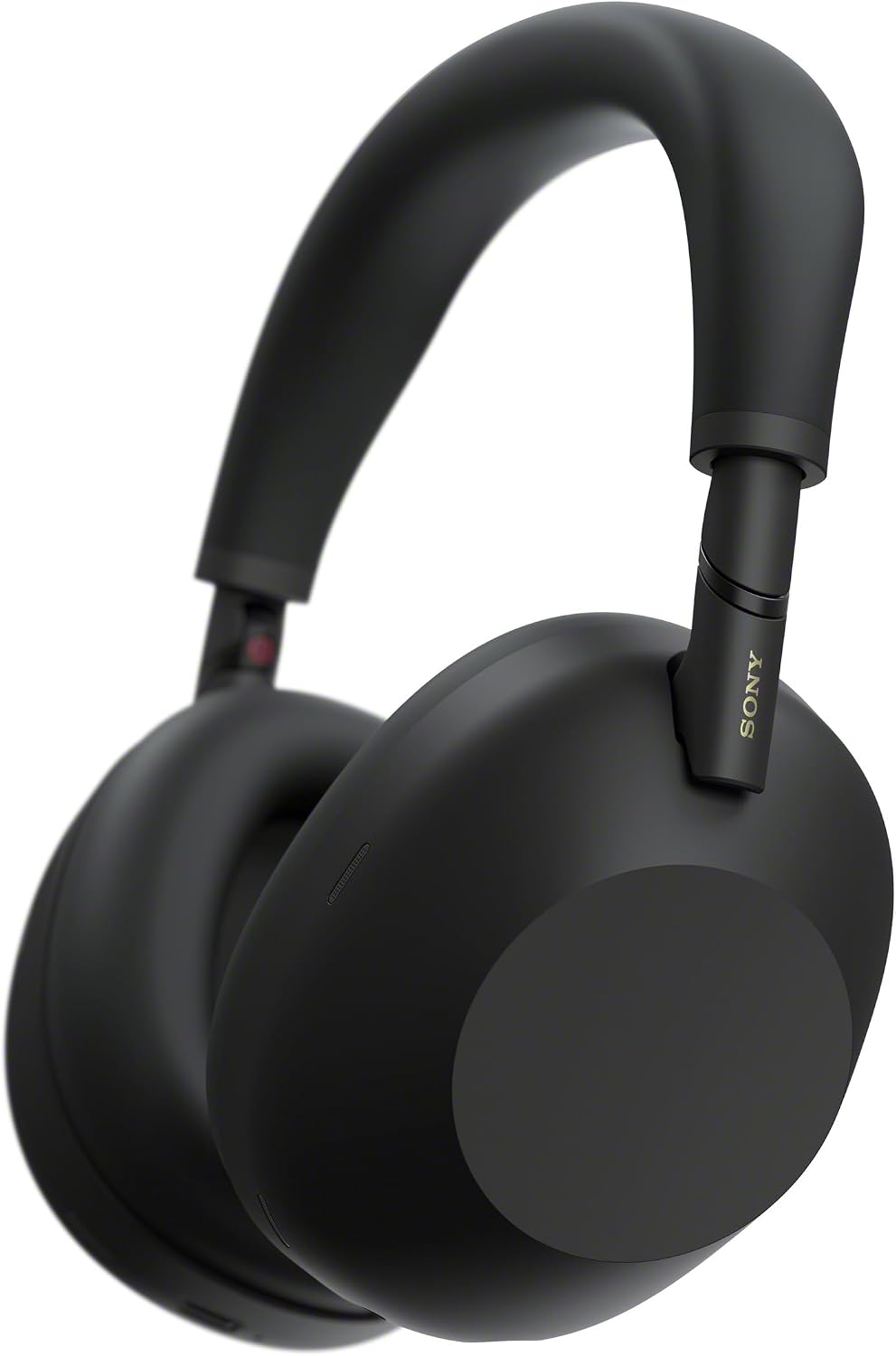
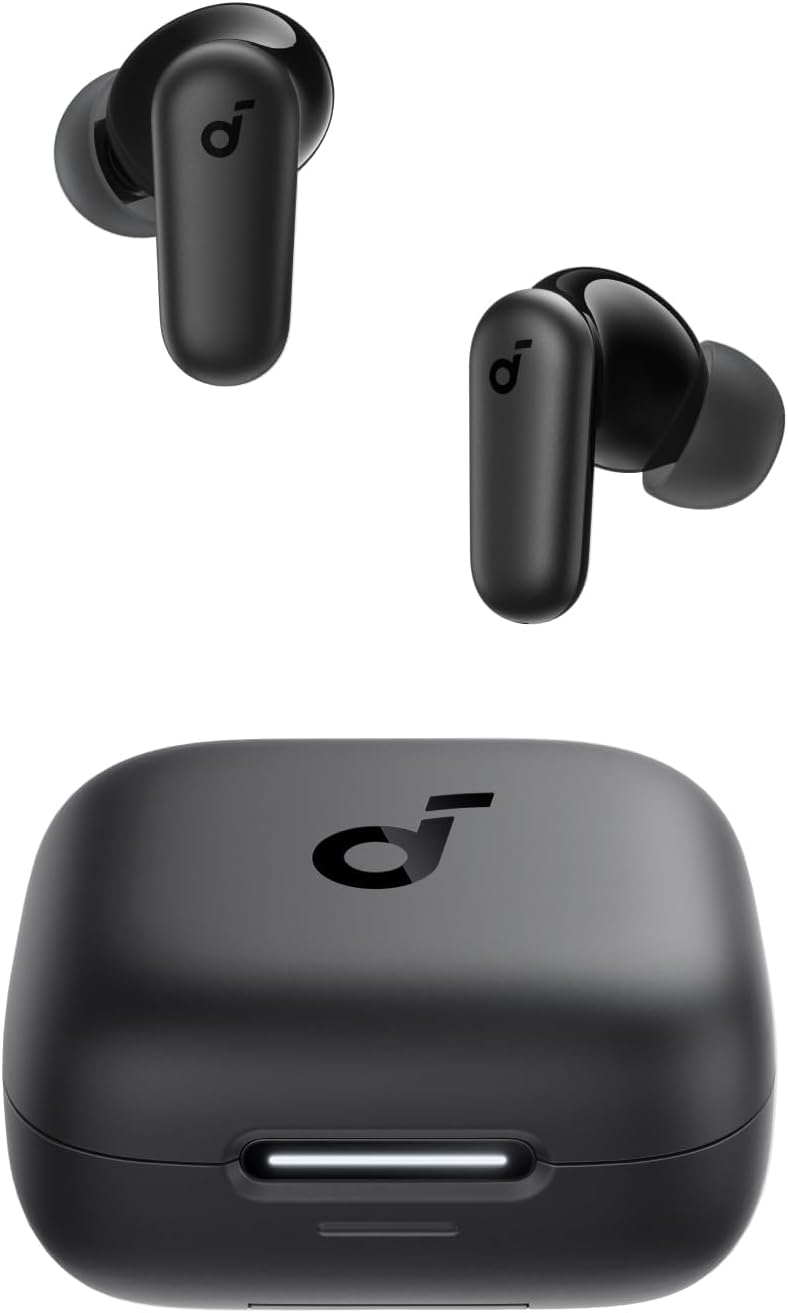
How to choose headphones and earbuds for fit, listening and connectivity
Headphones can sound convincing at home yet prove uncomfortable or impractical on public transport. Start with where you will listen, how long you will wear them and whether you need to take calls, play games or switch between devices.
Before comparing offers, decide which design and connection you need. Then assess the features you will actually use: paying extra for an incompatible codec, or battery life that requires switching ANC off, does not meet your needs.
In-ear or headband: fit comes first
In-ear models with tips seal the ear canal: they are compact and can isolate well, but the wrong tip size reduces bass and stability. You may need a different size for each ear. Unsealed earbuds and open-ear models avoid that plugged-up feeling, at the cost of less isolation and bass that is more dependent on your surroundings.
With headband designs, over-ear cups surround the ear, while on-ear pads rest against it. The former can trap heat. The latter concentrate pressure. For long sessions, the space inside the cups, clamping force and contact with glasses matter, not just the advertised weight.
Open-back or closed-back: your surroundings matter
Open-back headphones let sound pass between the ear and the outside world. They can offer a spacious presentation, but leak sound and provide little isolation. They suit a quiet room, not a shared office. They are not the same as open-ear headphones that leave the ear canal unobstructed.
Closed-back designs are usually more suitable for transport, recording or listening around other people, although isolation depends on the seal. Open does not automatically mean more accurate, nor does closed mean better bass. Tuning and fit matter more than driver count: multiple drivers do not guarantee better sound. Useful EQ controls let you adjust the balance to your taste without replacing the headphones.
ANC, isolation and transparency do different jobs
Isolation is the physical barrier provided by tips and pads. ANC uses microphones and processing to reduce noise. It is often particularly useful against steady engine or ventilation noise, and less predictable with voices and sudden impacts. A good seal remains essential: glasses or a loose tip can reduce bass, isolation and cancellation effectiveness.
Transparency mode plays your surroundings through the microphones so you can talk without removing the headphones. Natural-sounding voices, background hiss and wind handling matter more than the number of settings. It is not equivalent to having your ears unobstructed and does not guarantee you will notice traffic. For running, also consider stability and wind noise.
Codecs: compatibility before labels
A Bluetooth codec must be available on both the headphones and the transmitting device. LDAC or an aptX variant on the box does not mean it will work with your phone, computer or console. The operating system and adapter matter too. Different variants within a codec family are not interchangeable.
SBC and AAC can be sufficient for everyday listening when implemented well. A higher-bitrate mode cannot improve a poor recording or compensate for a bad fit. It can also reduce battery life or connection stability in congested environments. Paying extra makes sense when you can enable it and hear a useful difference.
For calls, focus on the voice you transmit
The ANC you enjoy while listening does not tell you how you will sound to the person on the other end. Voice pickup and processing are separate functions. More microphones do not guarantee clarity: outdoors, aggressive filtering can remove noise but also clip syllables. A voice sample recorded in conditions similar to yours is more informative.
For long meetings, a well-positioned boom microphone often helps keep your voice consistent. With classic Bluetooth, activating the microphone normally switches to a call profile and reduces incoming audio quality. If you need to talk while hearing a game in good fidelity, consider USB or a compatible dedicated wireless system.
Gaming: the whole connection determines latency
Video apps can compensate for Bluetooth delay. An interactive game cannot do so in the same way. Gaming mode can reduce latency, but the result also depends on the transmitting device. For demanding gaming, a cable or a dedicated 2.4 GHz link with a USB receiver is usually a more predictable choice.
A dedicated USB receiver is not a basic Bluetooth adapter. Compatibility must cover your console, computer or phone, including microphone support. With a 3.5 mm cable, the socket must support a microphone if you need one. Some headphones work passively without battery power. Others need to be switched on even when connected by cable.
Multipoint and battery life: compare like with like
Multipoint usually keeps two devices connected, such as a laptop and phone, so you can move from music to a call. It does not mean mixing both audio streams or always switching without interruption. Behaviour with calls, apps and gaming receivers varies. Storing several paired devices does not mean simultaneous connections are supported.
Compare battery life at equivalent volume, ANC and codec settings. Calls can use power differently from music. With true wireless earbuds, separate playback per charge from the total including the case: the former matters for an uninterrupted day. Fast charging is only comparable when playback conditions are equivalent too.
The case, tips and pads are part of the choice
A compact case makes earbuds easier to carry every day. Wireless charging adds convenience, not longer playback from each earbud charge. Consider the connector, how easily each earbud comes out and whether your preferred tips fit without preventing the case from closing. Losing the case can leave you without a practical way to recharge them.
Tips and pads wear out, so replacement availability affects the useful lifetime cost. Changing material or thickness can alter comfort, bass and isolation. A generic replacement will not necessarily preserve the original sound. When comparing offers, distinguish the exact version, included case and accessories: these differences can justify choosing a package that appears less feature-rich.