Batteries
Products · Batteries
5 active deals
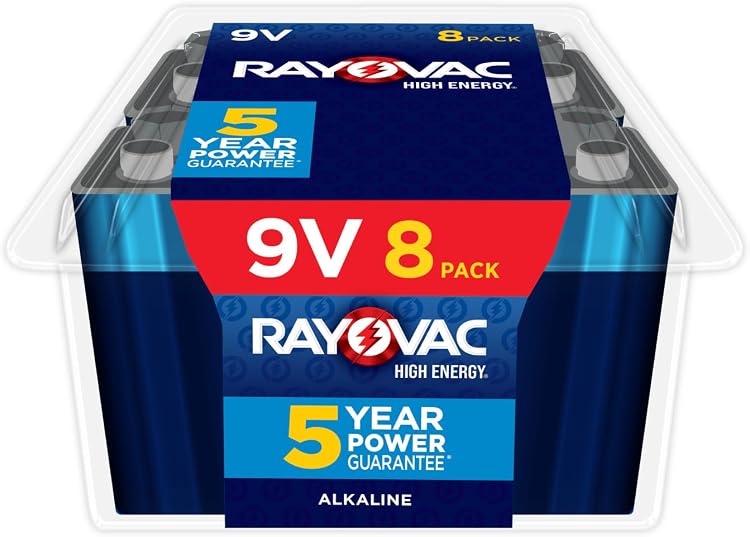
Rayovac High Energy Alkaline 9V Batteries, 8-Pack
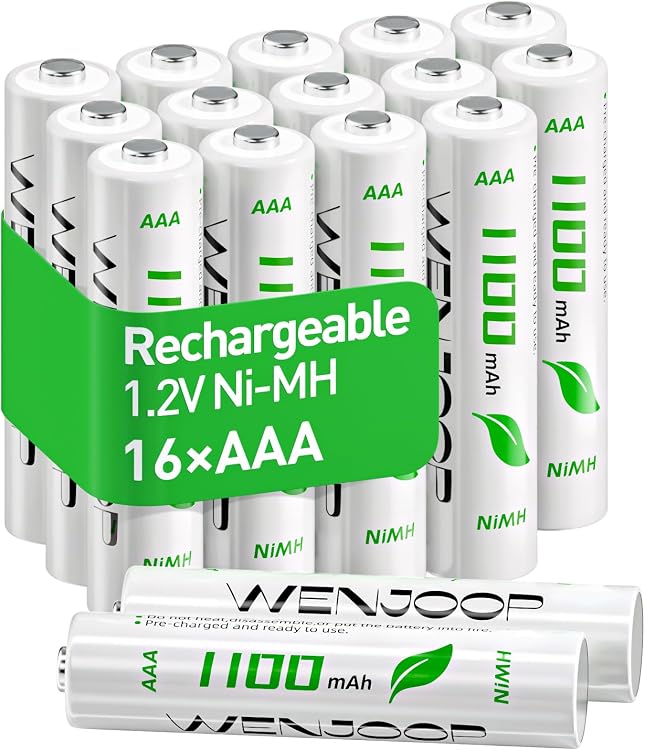
WENJOOP AAA NiMH Rechargeable Batteries, 16-Pack, 1100 mAh
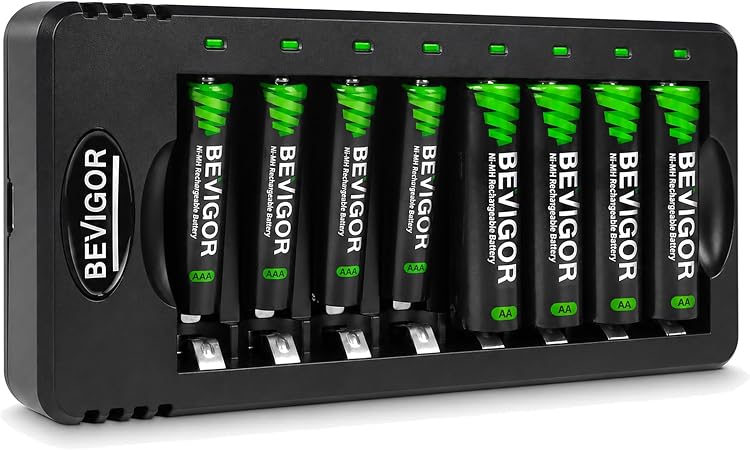
BEVIGOR 8-Bay AA/AAA NiMH Charger with 4 AA and 4 AAA Batteries
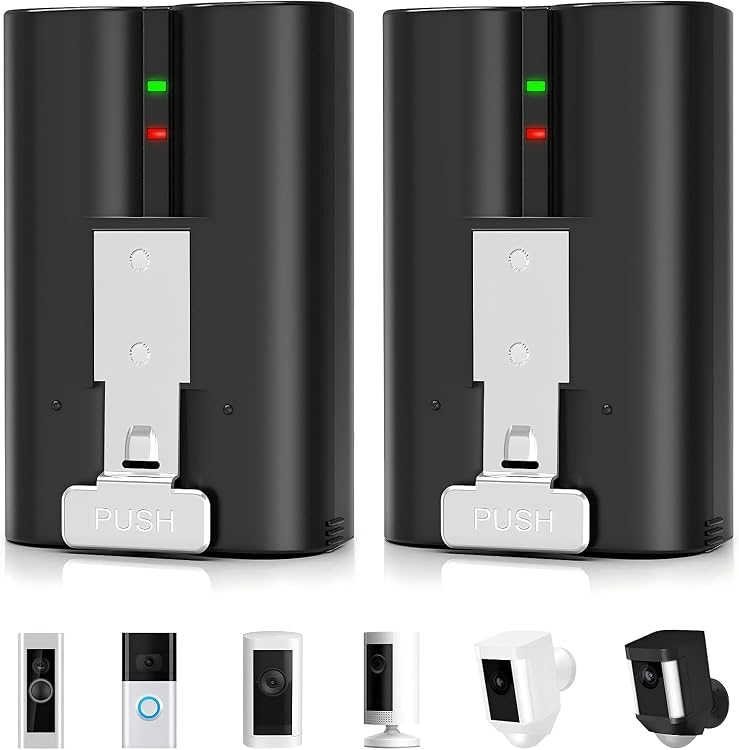
QuasuHaven Ring Replacement Battery 2-Pack, 6040mAh
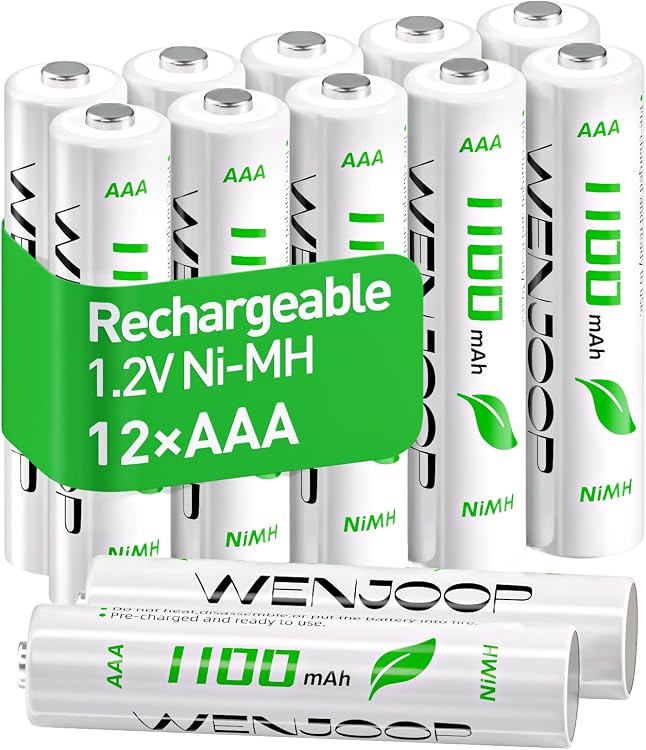
WENJOOP AAA Rechargeable Batteries, 12-Pack, 1100mAh NiMH
Replacement batteries: chemistry and compatibility before capacity
When replacing an electronic cell or battery, shape is not enough: voltage, chemistry and device requirements matter. This category excludes car batteries and power banks. Identify the approved reference first, then decide between a consumable kept in reserve and a rechargeable system that suits your usage.
The full reference, not just physical dimensions
Check the compartment and device documentation for accepted size, voltage and chemistry. Similar-looking cells can have different voltages and are not necessarily interchangeable. For a device-specific battery, verify reference, connector and declared model compatibility; similar shape does not confirm electronics or communication. Do not adapt connectors or open sealed equipment to replace cells without an authorised procedure. If information is missing, confirm with the manufacturer before purchasing rather than assuming a close-looking substitute will work.
Disposable or rechargeable for your frequency of use
For repeated use, compatible rechargeables can reduce replacement frequency but need the appropriate charger and an organised charging routine. For an occasionally used remote, storage retention and self-discharge matter alongside initial capacity. Check device restrictions: not every chemistry is accepted even in the same size. Never charge a non-rechargeable cell. For equipment that must stay available, review prescribed maintenance and do not treat an economical battery choice as a guarantee of continuous operation.
Read capacity under comparable conditions
Milliamp-hours are not a universal ranking across different voltages and chemistries. Device demand and discharge conditions affect actual life. Compare equivalent references with clear information, without treating a large number as quality evidence. Check dates, manufacturer traceability and pack quantity. A large pack is less useful if it will stay unused too long or you only need a pair for one appliance.
Use, storage and disposal without improvisation
Follow guidance for replacing sets and avoid mixing new and used cells or different chemistries. Protect terminals during storage and transport, particularly from metal objects. Keep small batteries away from children and pets; ingestion needs urgent assistance, not waiting. Stop using damaged, swollen or leaking cells and follow the specified removal guidance. Check local collection points: do not open, repair or dispose of batteries as ordinary rubbish merely for convenience when dedicated disposal is needed.