Collectible Coins & Medals
Products · Collectible Coins & Medals
3 active deals
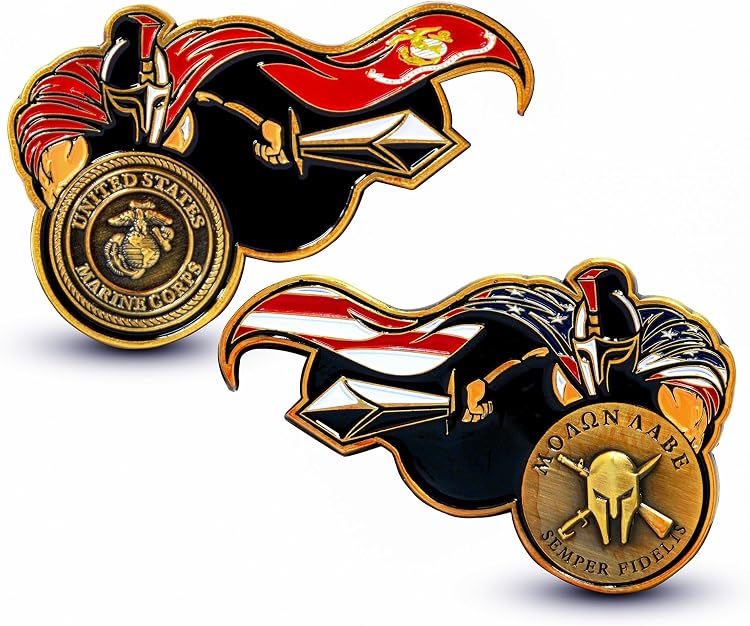
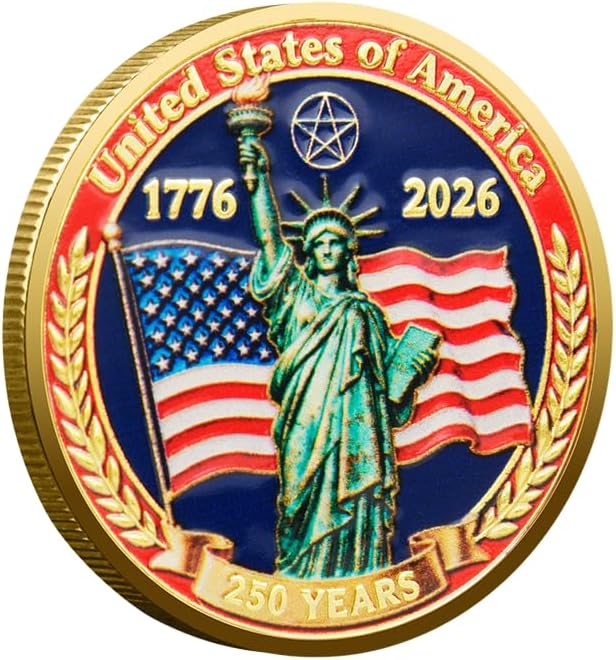
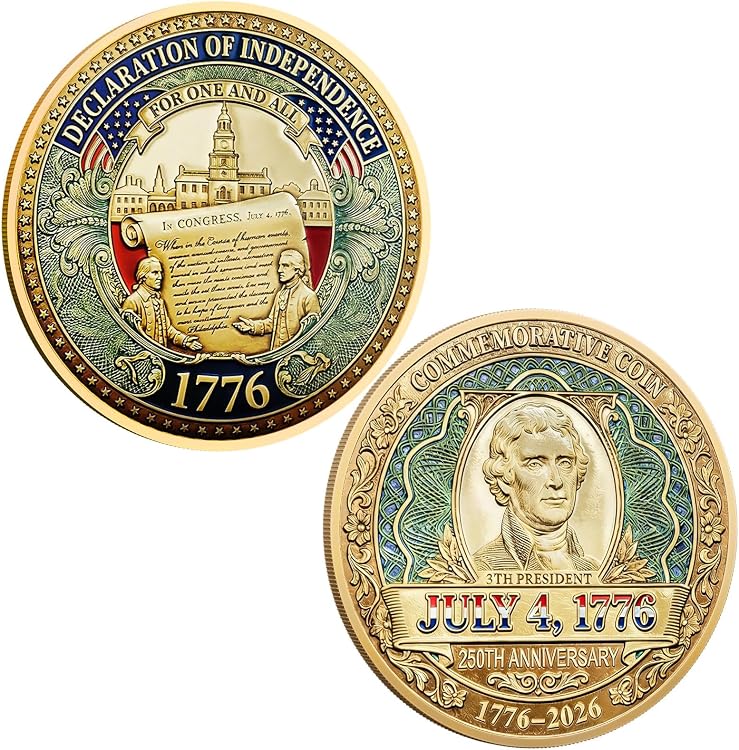
Choosing collectible coins and commemorative medals
A coin or medal collection can follow a period, a place, a design or a commemorative theme. Establish that interest before comparing individual pieces and complete sets. Coins, medals and reproductions may look similar while being fundamentally different objects. This guide concerns collecting rather than everyday payment, and does not present these items as an investment.
Establish exactly what is being offered
Look for the issuer, year, subject and denomination where applicable. A commemorative medal does not become a coin simply because it is round or carries a number. Challenge coins often represent an organisation or an award, without implying legal tender status. Distinguish original issues from replicas and later reproductions; unclear wording leaves that distinction unresolved. To complete a series, check the variety, mint mark and finish as well as the main design, because superficially similar pieces may differ.
- Confirm whether the purchase is one specified piece, an identified lot or a randomly selected example.
Inspect composition and actual condition
Compare the declared metal, weight, diameter and thickness with the proposed identification. Gold or silver plating is not the same as solid precious metal, and colour alone establishes no composition. Seek clear photographs of the offered item's obverse, reverse and edge rather than representative pictures alone. Photographs alone cannot establish authenticity or determine the piece's monetary value. Look for scratches, rim knocks, wear, corrosion and evidence of cleaning. A manufacturing finish such as proof does not establish the piece's present condition or guarantee authenticity.
- Clarify the disclosed damage and whether the images show the exact object you would receive.
Assess documentation without assuming certainty
Consider the described provenance and whether certificates, numbers and presentation cases belong to this particular piece. An enclosed document is not proof of authenticity on its own. Where a grading service is named, establish who issued the assessment, what it covers and how its number can be matched to the specimen. Significant uncertainty calls for qualified numismatic advice. A claimed limited mintage guarantees neither rarity nor demand nor financial returns; set a collecting budget without relying on future resale.
- Separate checkable issuer information from sales claims about exclusivity or potential future value.
Plan preservation and display
Check whether an included capsule or holder lets you inspect both faces and secures the piece without excessive pressure. Its diameter must fit, and contact materials should be suitable for numismatic storage; avoid unidentified plastics or sleeves containing plasticised PVC. Handle pieces by their edges and do not polish or chemically clean them to restore shine, since that can alter surfaces and patina. Store them in stable, dry conditions and keep identification and documents together.
- Inspect the holder for cracks and check compatible replacement capsules if a damaged one needs replacing.