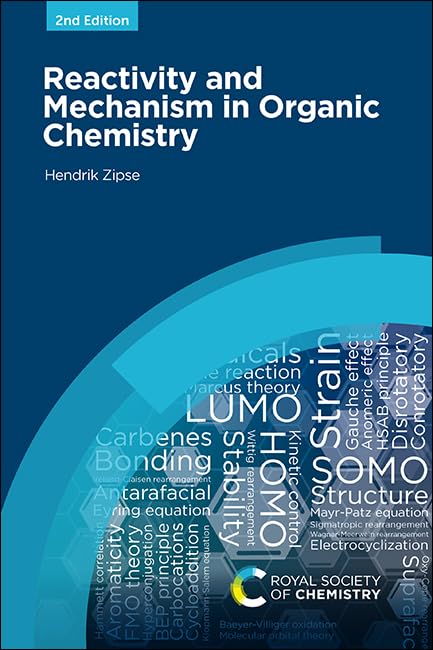
Reactivity and Mechanism in Organic Chemistry, 2nd Edition
Reactivity and Mechanism in Organic Chemistry is a second-edition introduction to quantitative approaches for understanding organic reactivity. It moves from molecular orbital theory and thermochemical concepts to transition state theory, reaction models, and selected reaction applications. The listed scope is suited to undergraduate and master's chemistry students, but its emphasis is on explaining and applying models rather than serving as a broad introductory survey.
At a glance
- Connects molecular orbital theory with thermochemical data to discuss bonding and concepts such as strain and hyperconjugation.
- Introduces transition state theory alongside energy surfaces and simple rate equations.
- Covers the Bell–Evans–Polanyi principle, Marcus theory, HSAB, Hammett correlations, the Mayr–Patz equation and FMO theory.
- Applies the models to pericyclic reactions, selected rearrangements, and electrophile/nucleophile reactions.
Reference price: $49.00
Price checked: Nov 14, 2026
View offerAhead of Black FridayExplore the selectionPros and cons
Pros
- The stated progression links foundational bonding ideas to quantitative models and reaction examples.
- The coverage includes several named reactivity models in a concise 204-page print length.
Technical specifications
9 specifications| Publisher | Royal Society of Chemistry |
|---|---|
| Edition | 2nd |
| Publication date | September 16, 2022 |
| Language | English |
| Print length | 204 pages |
| ISBN-10 | 1839167432 |
| ISBN-13 | 978-1839167430 |
| Weight listed | 11.2 ounces |
|---|---|
| Dimensions | 6.14 x 0.46 x 9.21 inches |
Who is it for?
A good fit for
- Undergraduate or master's chemistry students seeking a model-based treatment of organic reactivity.
- Readers studying reaction mechanisms, transition state theory, or quantitative reactivity relationships.
Less suited to
- Readers looking primarily for a general organic chemistry overview or a practice-question workbook, neither of which is specified in the listing.
Customer reviews on Amazon
- 5 stars
100% 100% - 4 stars
0% 0% - 3 stars
0% 0% - 2 stars
0% 0% - 1 star
0% 0%
The available rating information is uniformly positive but comes from just one global rating, so it offers little basis for judging broader reader experience or identifying specific strengths and concerns. For a book whose value depends on matching its model-focused coverage to a reader's course or research needs, the listed subject scope is more informative than this limited rating evidence.
Frequently asked questions
What subjects does the book cover?
The listing describes molecular orbital and thermochemical approaches, transition state theory, several reactivity models, and applications to pericyclic, rearrangement, and electrophile/nucleophile reactions.
Who is the book intended for?
The listing positions it as an introduction to quantitative organic reactivity for undergraduate and master's chemistry students.
How long is the listed print edition?
The product details give a print length of 204 pages.
Alternative options
Organic Chemistry: Structure, Reactions, and Applications
$25.00
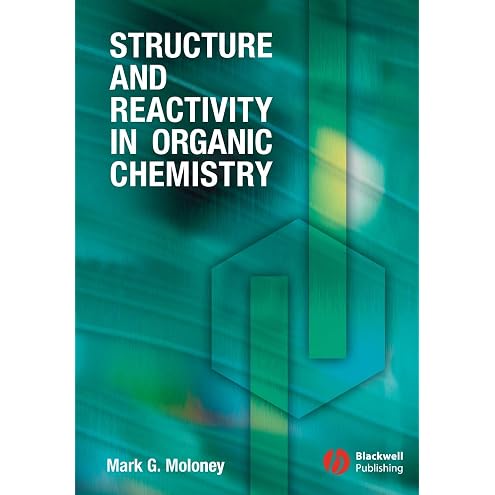
Structure and Reactivity in Organic Chemistry
$62.95
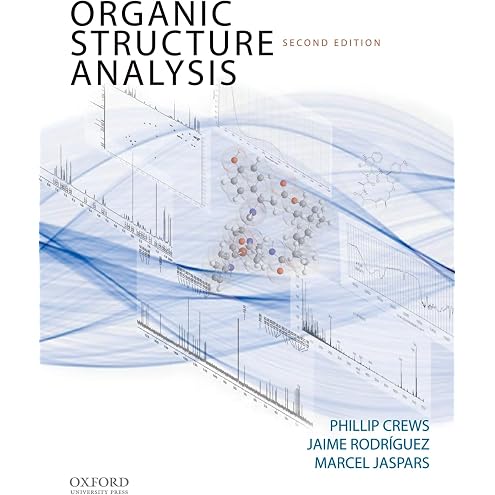
Organic Structure Analysis (Topics in Organic Chemistry)
$104.95
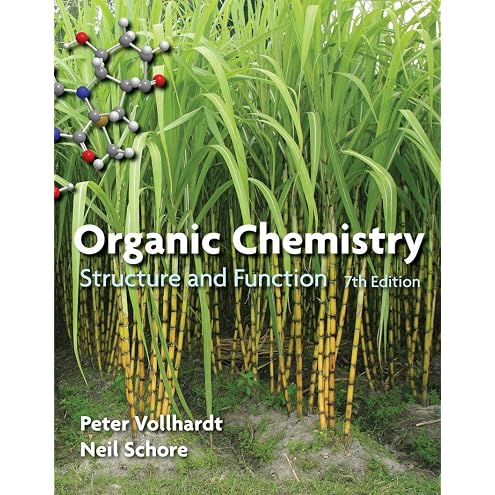
Organic Chemistry: Structure and Function
$119.28
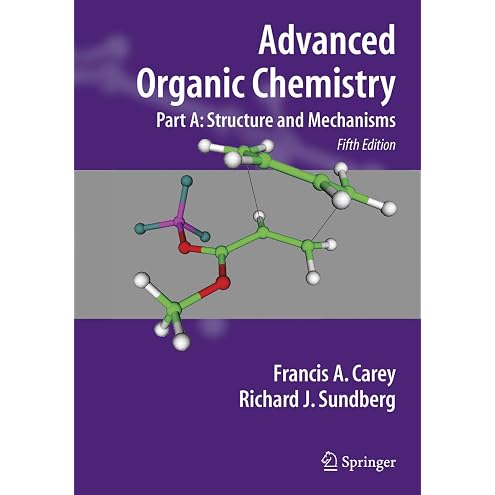
Advanced Organic Chemistry: Part A: Structure and Mechanisms
$125.99
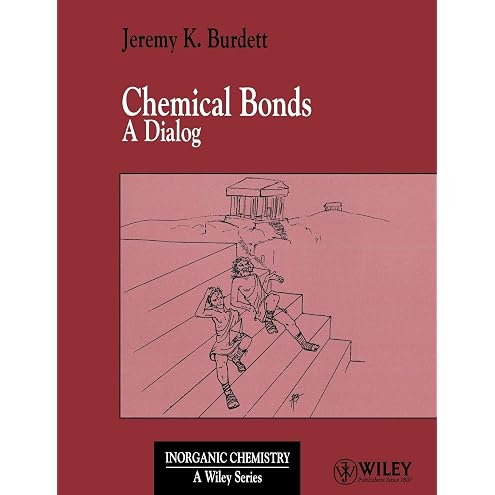
Chemical Bonds: A Dialog (Inorganic Chemistry: A Textbook Series)
$165.48
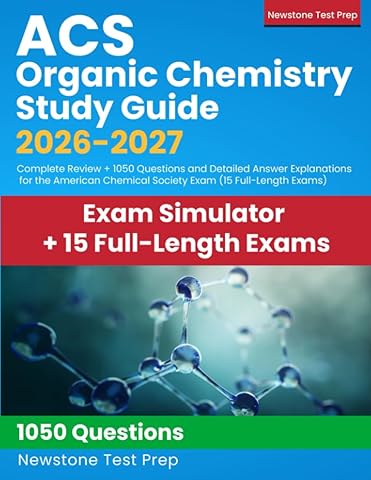
ACS Organic Chemistry Study Guide 2026-2027: Complete Review + 1050 Questions and Detailed Answer Explanations for the American Chemical Society Exam (15 Full-Length Exams)
$29.99
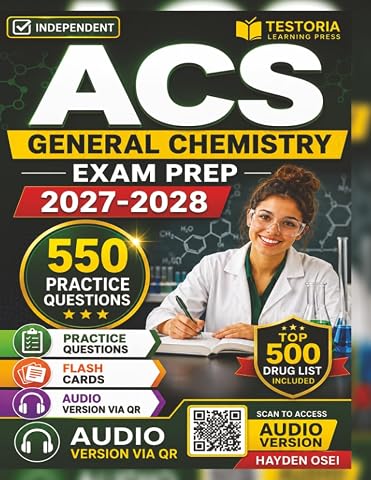
Independent ACS General Chemistry Study Guide: 550 Practice Questions with Detailed Explanation Covering Kinetics, Acids & Bases, Electrochemistry, Nuclear Chemistry
$29.99
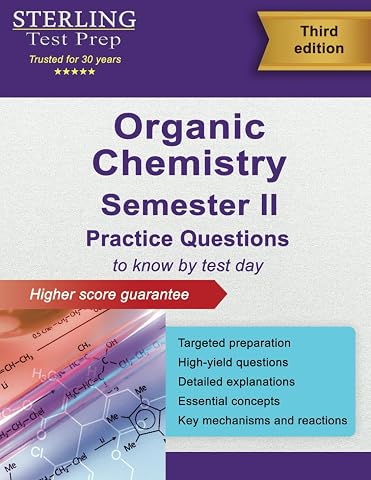
College Organic Chemistry Semester II: Practice Questions with Detailed Explanations
$36.95
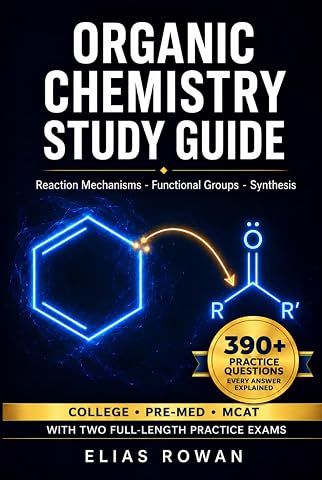
Organic Chemistry Study Guide: Complete Review for College, Pre-Med & the MCAT | Reaction Mechanisms, Functional Groups & Synthesis + 2 Full-Length Practice Exams (Chemistry Mastery Series)
$34.99
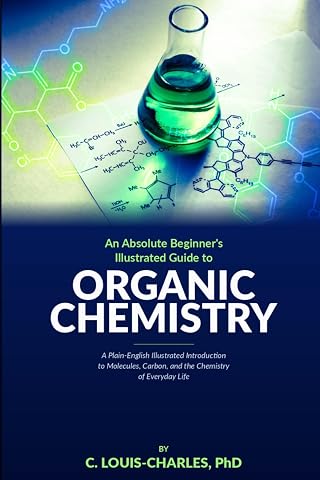
Absolute Beginners Illustrated Guide to Organic Chemistry: A Plain-English Illustrated Introduction to Molecules, Carbon, and the Chemistry of Everyday Life
$24.11
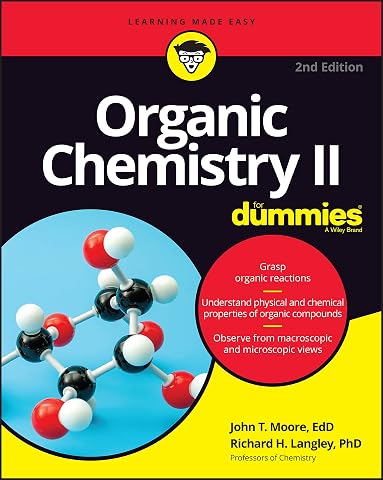
Organic Chemistry II For Dummies
$20.76