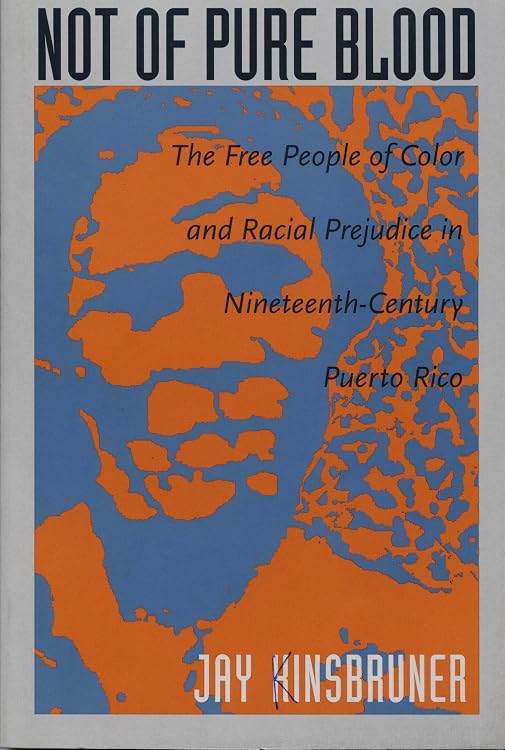
Not of Pure Blood: Free People of Color in 19th-Century Puerto Rico
Not of Pure Blood examines free people of color and racial prejudice in nineteenth-century Puerto Rico. Jay Kinsbruner discusses social and economic disadvantage, shade discrimination, and the effects of U.S. occupation, using topics such as households, work, marriage, and demographic patterns.
At a glance
- Studies the experiences of legally free people of African descent regarded as nonwhite during slavery in Puerto Rico.
- Discusses residential patterns, occupations, family life, births, deaths, and marriage.
- Examines shade discrimination and the impact of the U.S. occupation after the Spanish American War.
Pros and cons
Pros
- The historical focus connects racial prejudice with specific areas of social, political, and economic life.
- Its coverage of household and occupational patterns may suit readers looking for a social-history approach.
Technical specifications
8 specifications| Publisher | Duke University Press |
|---|---|
| Publication date | October 30, 1996 |
| Language | English |
| Print length | 192 pages |
| ISBN-10 | 0822318423 |
| ISBN-13 | 978-0822318422 |
| Weight listed | 10.2 ounces |
|---|---|
| Dimensions | 5.7 x 0.6 x 8.7 inches |
Who is it for?
A good fit for
- Readers studying Puerto Rican history and Caribbean or Latin American studies.
- Researchers exploring racism, discrimination, and the history of free people of color.
Less suited to
- Readers seeking a contemporary overview rather than a study centered on nineteenth-century Puerto Rico.
Customer reviews on Amazon
- 5 stars
75% 75% - 4 stars
25% 25% - 3 stars
0% 0% - 2 stars
0% 0% - 1 star
0% 0%
The supplied evidence includes aggregate ratings but no written customer feedback. The ratings lean positive, though the small rating pool cannot explain what readers valued or how well the book suits a particular research need.
Frequently asked questions
What period and place does the book focus on?
It focuses on nineteenth-century Puerto Rico and the experiences of free people of color.
What topics does the book cover?
The listing describes discussion of residential patterns, marriage, births and deaths, occupations, family and household matters, shade discrimination, and the effects of U.S. occupation.
How long is the book?
The listing gives a print length of 192 pages.
Alternative options
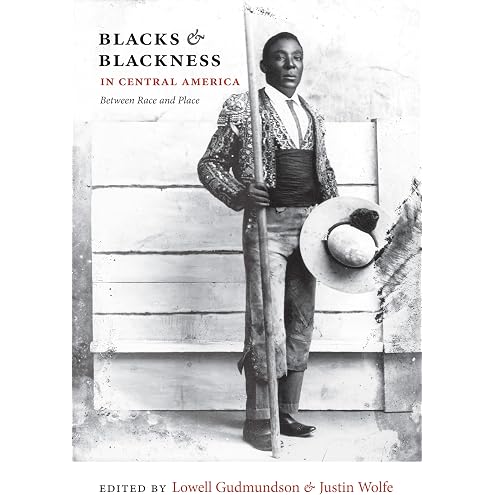
Blacks and Blackness in Central America: Between Race and Place
$39.95
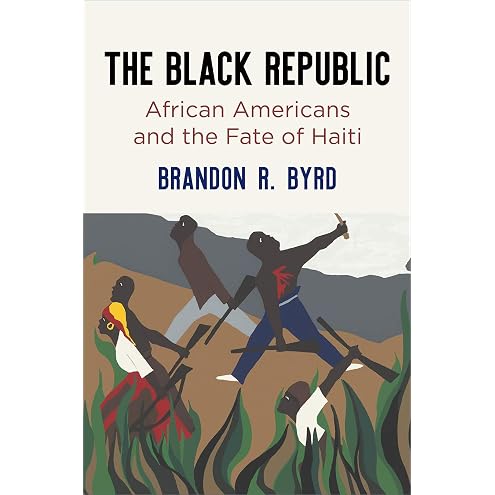
The Black Republic: African Americans and the Fate of Haiti (America in the Nineteenth Century)
$34.95
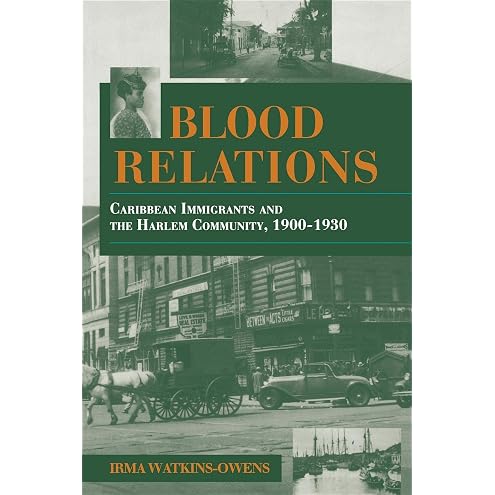
Blood Relations: Caribbean Immigrants and the Harlem Community, 1900–1930 (Blacks in the Diaspora)
$18.43
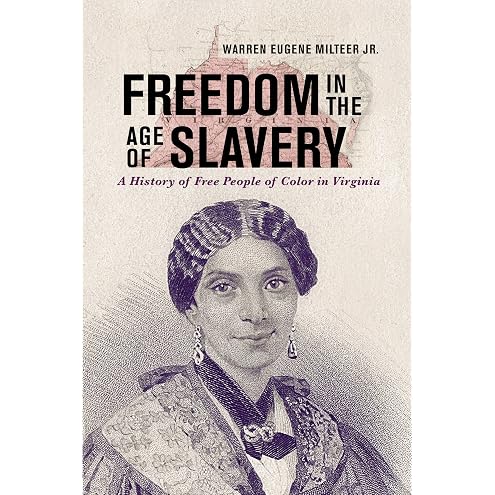
Freedom in the Age of Slavery: A History of Free People of Color in Virginia (The American South Series)
$120.00
All Bound Up Together: The Woman Question in African American Public Culture, 1830-1900 (The John Hope Franklin Series in African American History and Culture)
$35.95
Out of Virginia: Black Americans' Search for Freedom in Nineteenth-Century Liberia
$27.93

Reproducing Empire: Race, Sex, Science, and U.S. Imperialism in Puerto Rico
$23.06

On the Scale of the World: The Formation of Black Anticolonial Thought
$29.95

Do Black Lives Still Matter: Race, Justice, and the Crisis of Moral Language in America
$11.99
Ill Erotics: Black Jamaican Women and Self-Making in Times of HIV/AIDS (Reproductive Justice: A New Vision for the 21st Century)
$29.95
Women of the Klan: Racism and Gender in the 1920s
$26.99
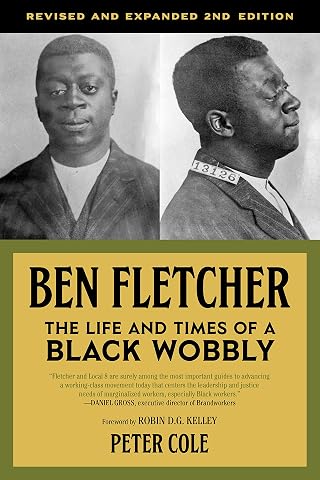
Ben Fletcher: The Life and Times of a Black Wobbly
$15.39