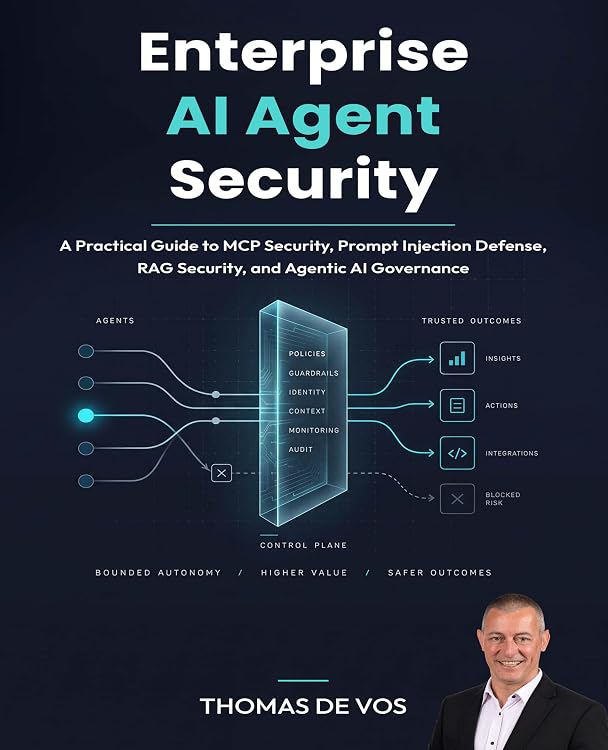
Enterprise AI Agent Security: Practical Guide to MCP, RAG and Agent Governance
Enterprise AI Agent Security is a practical guide to protecting AI agents as they gain access to data, tools and enterprise systems. It covers bounded autonomy, MCP and tool-call security, delegated identity, RAG governance, evaluations, observability, policy and incident response, with scenarios and exercises aimed at production deployments.
At a glance
- Explains a seven-layer reference architecture and ways to set boundaries on agent authority and actions.
- Covers MCP servers, tool calls, delegated identity, least privilege and approvals.
- Addresses RAG risks including poisoning, leakage and unsafe retrieval, alongside knowledge governance.
- Connects evaluations, observability, reliability, policy as code and incident response in a continuous AgentSecOps approach.
- Includes enterprise scenarios, exercises, illustrative code and a production-readiness checklist.
Reference price: $59.99
Price checked: Nov 14, 2026
View offerAhead of Black FridayExplore the selectionPros and cons
Pros
- Combines security architecture with operational topics such as evaluations, audit evidence and incident response.
- Covers both agent tool use and RAG, making it relevant to deployments that combine actions with enterprise knowledge retrieval.
- The listing says no particular agent framework is required.
Technical specifications
8 specifications| Publisher | Packt Publishing |
|---|---|
| Publication date | October 21, 2026 |
| Edition | 1st |
| Language | English |
| Print length | 310 pages |
| ISBN-13 | 978-1808828652 |
| Weight listed | 1.19 pounds |
|---|---|
| Dimensions | 7 x 0.7 x 10 inches |
What to know before buying
- The listing describes a technically oriented guide and says readers should understand application architecture, APIs, cloud services, identity and access management, and basic LLM concepts. It is not presented as an introductory book for readers without that background.
Who is it for?
A good fit for
- Engineers moving AI agents into production
- Enterprise and security architects designing agent controls
- Security, risk, audit and governance teams assessing agent deployments
- AI platform leaders and technical decision-makers in regulated or high-impact environments
Less suited to
- Readers seeking a beginner-level introduction to application architecture, APIs, cloud services or identity management
- Readers looking for a guide focused on one specific agent framework
Customer reviews on Amazon
- 5 stars
33% 33% - 4 stars
67% 67% - 3 stars
0% 0% - 2 stars
0% 0% - 1 star
0% 0%
Aggregate ratings lean positive, with ratings in the four- and five-star categories and none in the lower categories shown. The sample is small and there are no written customer comments supplied, so it does not establish specific strengths or drawbacks. For a buyer considering the book's stated production-security scope, these figures offer limited evidence about how useful readers found its guidance in practice.
Frequently asked questions
What subjects does this book cover?
The listing describes coverage of bounded autonomy, MCP and tool calls, delegated identity, least privilege, RAG security and governance, evaluations, observability, policy as code, incident response and AgentSecOps.
Is this aimed at beginners?
The listing says readers should already understand application architecture, APIs, cloud services, identity and access management, and basic LLM concepts. It does not require familiarity with a particular agent framework.
Does the book include practical material?
The listing says it includes worked enterprise scenarios, exercises, illustrative code and a production-readiness checklist.
Alternative options
AI Under Attack: A Practical Guide to Threats, Defenses, and Governance for AI Systems
$39.99
Systems Thinking for Agentic AI: Design reliable LLM and agentic AI systems with RAG, MCP, guardrails, evaluation, and observability
$39.99
Securing the Autonomous Supply Chain: Defending the new attack surface of agentic operations across the physical–digital convergence
$40.49
Cybersecurity Architect's Handbook: An architect's guide to designing, building, and defending the modern enterprise
$39.99
Practical Mobile Forensics: Forensically investigate and analyze modern iOS and Android devices
$47.99
CompTIA® Security+® SY0-801 Certification Guide: Build essential cybersecurity skills and pass the SY0-801 exam on your first attempt
$35.99
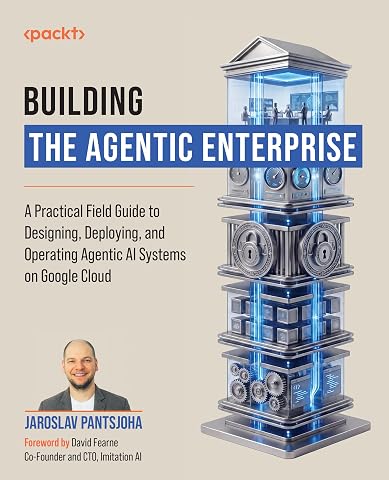
Building the Agentic Enterprise: A Practical Field Guide to Designing, Deploying, and Operating Agentic AI Systems on Google Cloud
$43.99
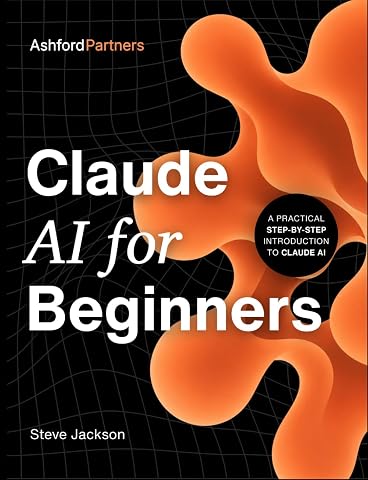
Claude AI for Beginners: A Practical Step-by-Step Guide to Claude AI – Using Claude Code, Agents, and Cowork for Daily Tasks
$24.87
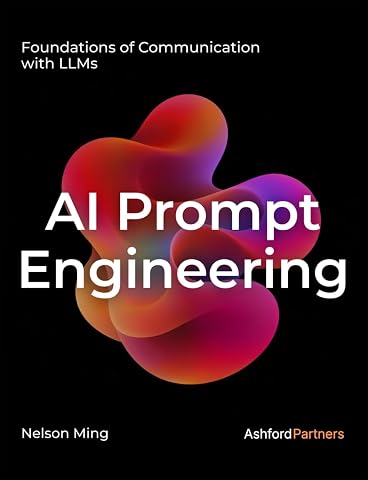
AI Prompt Engineering: Foundations of Communication with LLMs – Building Generative AI and Agentic AI Prompt Systems Across Development, Testing, and Deployment
$32.12

Replacement: The AI Revolution Isn’t Coming for Your Job. It Already Took It.
$3.99
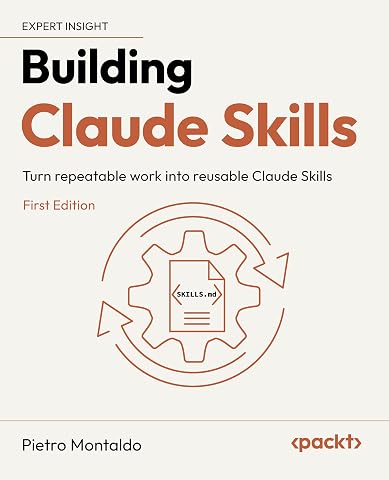
Building Claude Skills: Turn repeatable work into reusable Claude Skills
$22.55
Practical MCP Security: Defend agentic AI systems from supply chain, runtime, and code execution threats
$49.99