Vacuum Cleaners
Products · Vacuum Cleaners
3 active deals
How to choose a vacuum cleaner for your floors, pets and home
A vacuum cleaner can pick up crumbs yet leave hair in the carpet. The cleaning head and airflow path matter as much as the format: stick, canister and robot vacuums handle different jobs.
Start with the area to clean, changes in floor level and your usual dirt. Then decide how much cleaning you will do yourself and what maintenance you will accept in exchange for automation.
Stick, canister or robot: what suits your home
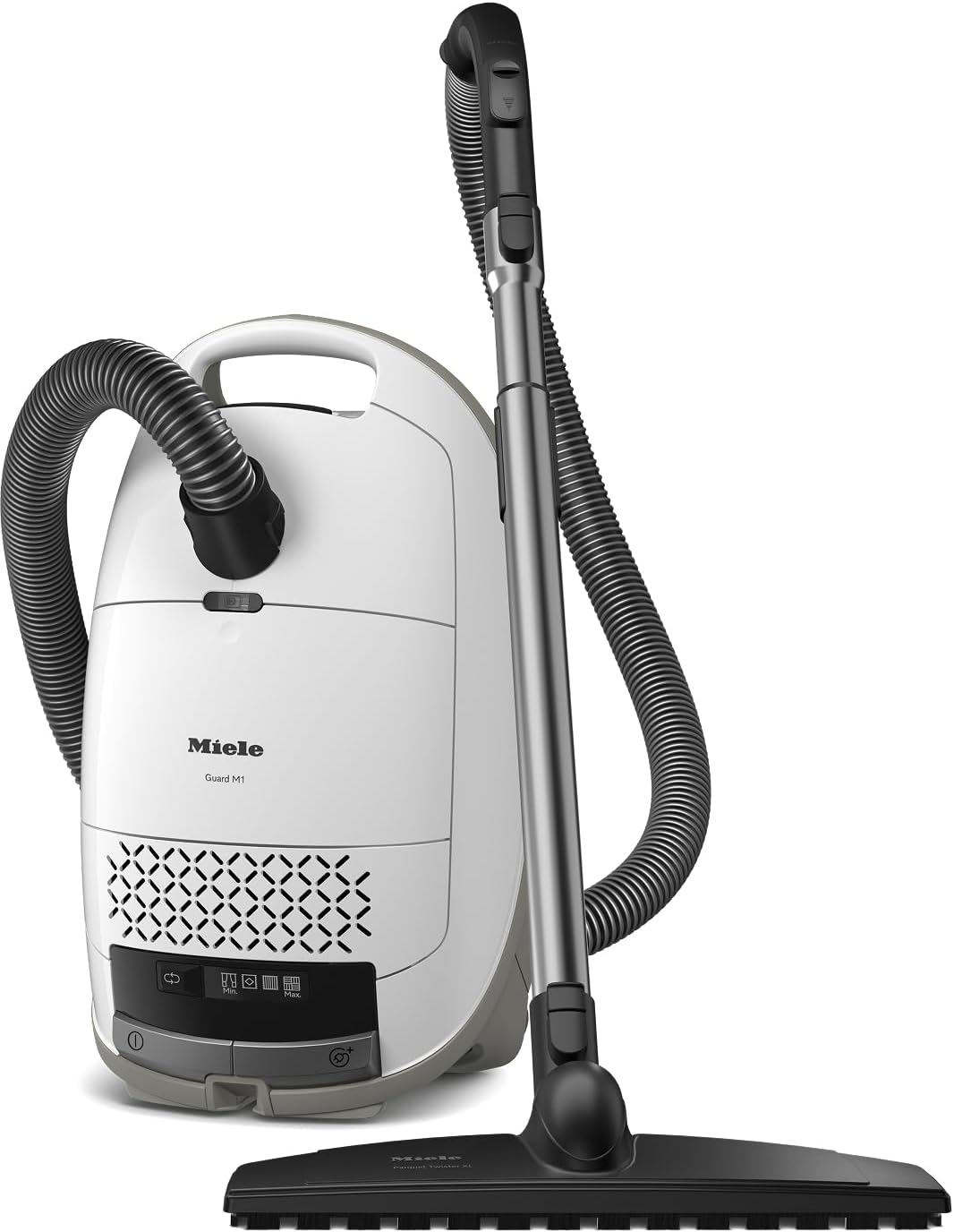
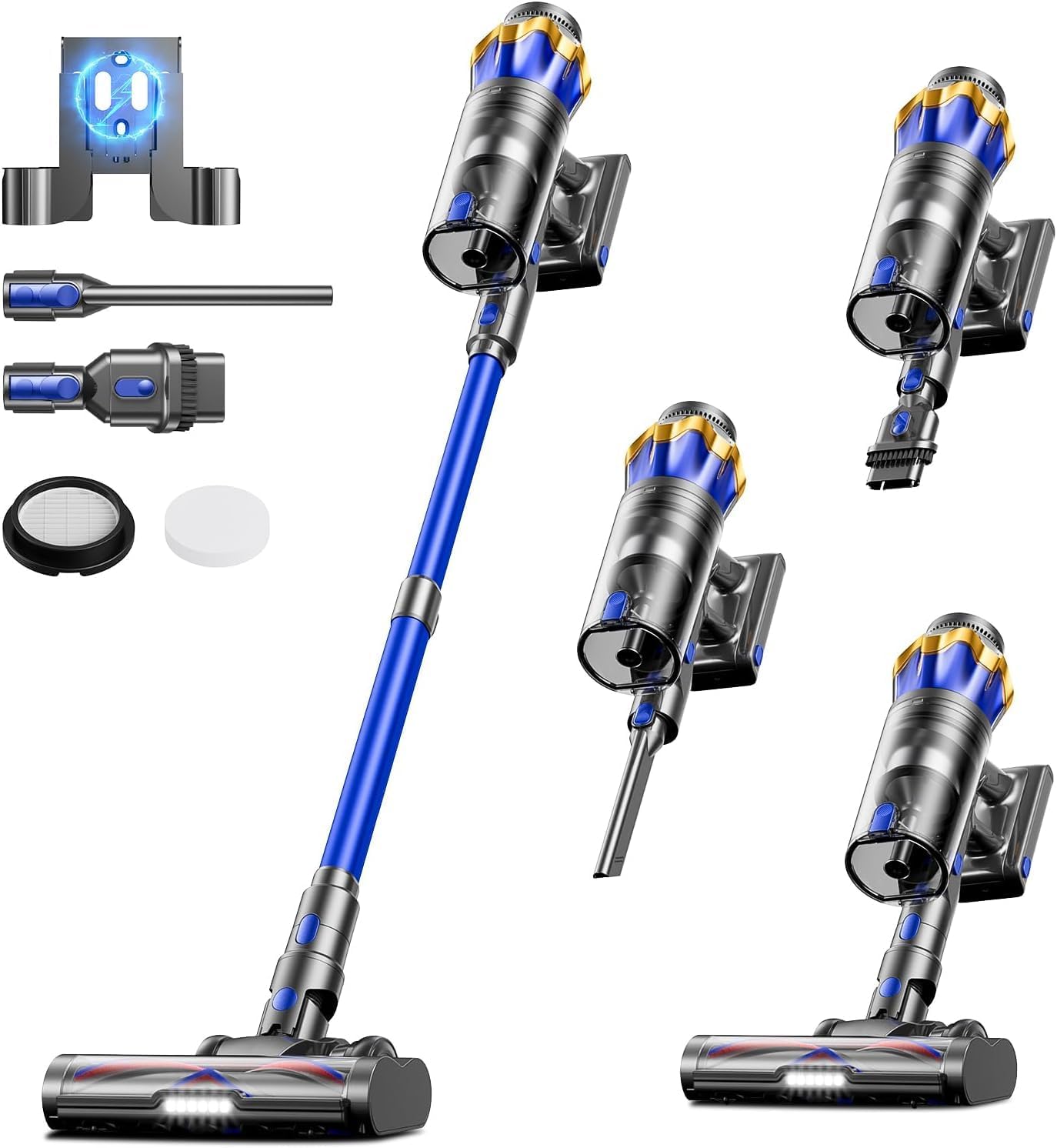
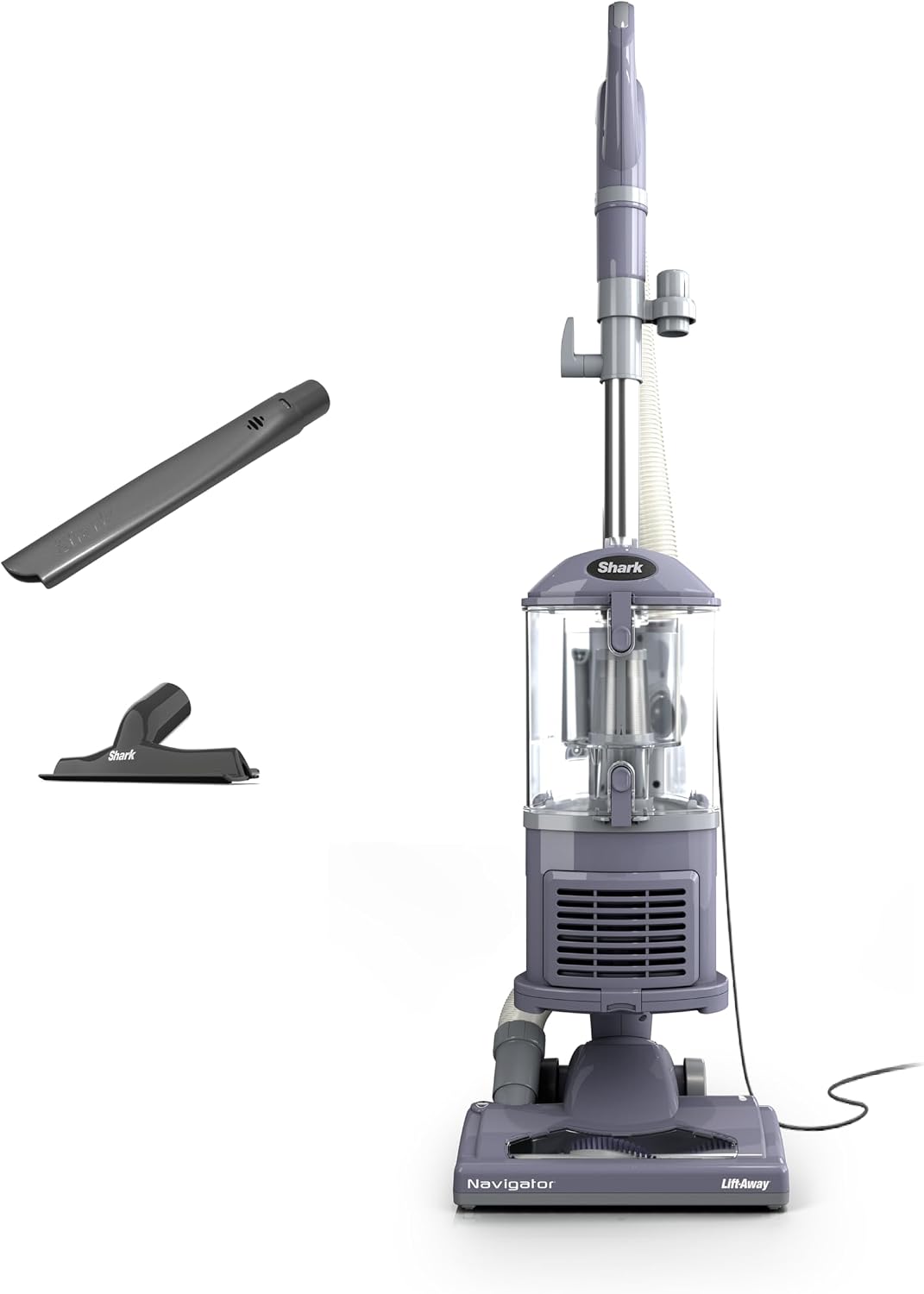
A stick vacuum makes quick clean-ups and stairs easier, but you support its full weight in your hand. For longer sessions, a canister vacuum lets you move just the wand and head, although you still have to pull the body along and manage the cord. In a large home, uninterrupted cleaning can matter more than going cordless.
A robot keeps accessible areas clear of everyday debris. It cannot climb stairs or vacuum sofas. In a home with several floors, you will need to carry it between them and plan how it returns to its dock. If you have many tight corners or low pieces of furniture, the dimensions of the machine and cleaning head matter more than the advertised capacity.
Brushes and suction: look beyond watts
Electrical watts indicate power consumption, not how much dirt is removed. Pascals describe suction pressure, while air watts combine airflow and pressure. Figures are only comparable when methods and conditions are equivalent. A blocked airway, poor seal or unsuitable brush can waste the potential of a powerful motor.
On hard floors, a soft roller picks up fine dust. With larger particles, the intake needs to admit them rather than push them ahead. On carpets, a motorized brush helps loosen dirt. Adjustable power or an airflow vent prevents the head from sticking to the surface, particularly on lightweight rugs.
Pets: hair on floors and fabrics
With pets, prioritize a brush that lifts hair and has a roller you can remove without complicated dismantling. Anti-tangle systems reduce wrapped hair, but do not eliminate the need to clean axles and roller ends. For long hair, an easy-to-maintain roller can be more useful than another increase in power.
For sofas, pet beds and carpeted stairs, a mini motorized brush offers more than a narrow, non-powered nozzle. Check whether the exact version includes one. Dust container capacity matters too: hair takes up space and may force you to empty it before finishing, even when there is battery charge left.
Dust containers, bags and filtration: cleaning up afterwards
A bagless container saves you buying bags, but emptying it can release dust. A bag generally contains dirt better during disposal, in exchange for an ongoing consumable cost. If you want to minimize contact with dust, the bag closure and removal mechanism matter as much as its capacity.
A high-efficiency filter cannot compensate for leaks elsewhere: look for information about filtration and sealing across the whole machine. Washable filters must dry completely before refitting. Not every filter can be washed. A clogged filter or full container impairs airflow and dirt pickup.
Usable battery life, not just maximum runtime
Maximum runtime usually refers to the least demanding mode and may be measured without a motorized head. If your usual clean takes 25 minutes, what matters is runtime with the brush you will use at normal power, not just the eco-mode figure. Turbo can drain the battery much faster: save it for difficult areas.
A removable battery lets you swap packs if you have another charged, but it cannot always be charged separately from the machine. Consider charging time and replacement cost too. A stick vacuum that is sufficient for a small apartment may force you to split a larger home's cleaning into sessions. A corded canister avoids that limitation.
Robots: navigation, obstacle avoidance and mopping are different
Mapping lets a robot follow orderly routes and select rooms or no-go zones. It is not the same as object recognition: cables, socks and pet accidents require dedicated detection, whose performance varies with the object and lighting. Thresholds, chair legs and clearance beneath furniture still determine where it can go.
Mopping is a separate task: dragging a wet pad is not the same as using rotating pads or a vibrating plate. These help with stuck-on marks, but do not guarantee removal of dried stains in one pass. With carpets, what matters is whether the robot avoids wetting them, lifts its mop high enough or leaves it at the dock. A few millimetres of lift may not be enough for deep pile.
Docks and replacement parts: the ongoing cost of convenience
A self-emptying dock reduces manual emptying, not maintenance of the robot's brush or filter. Docks that wash mop pads add clean- and dirty-water tanks that need refilling and cleaning. Drying helps limit lingering moisture, but does not replace washing trays and removing debris.
When comparing versions, add bags, filters, rollers, mop pads and a replaceable battery to the machine's cost. Confirm replacement availability and compatibility, and whether a specific detergent is required. A large dock needs space and access for removing tanks. Paying more makes sense if it removes a frequent chore, not merely for accessories or automation you will never use.