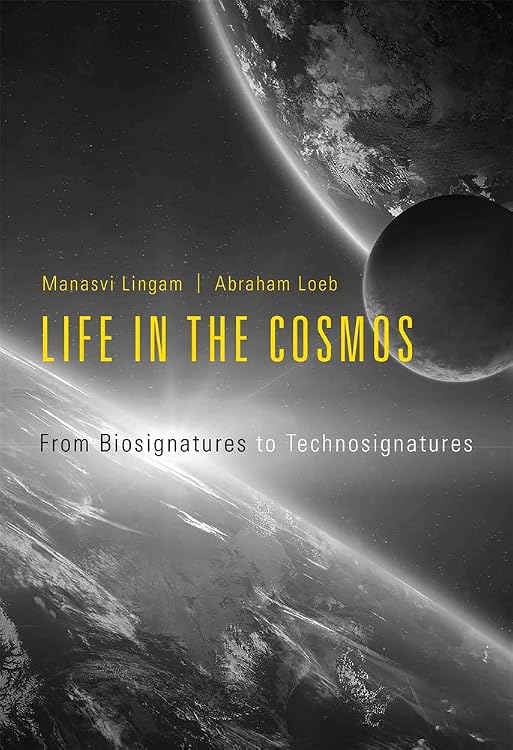
Life in the Cosmos: From Biosignatures to Technosignatures
Life in the Cosmos: From Biosignatures to Technosignatures by Manasvi Lingam and Avi Loeb surveys scientific approaches to searching for life beyond Earth. Its scope spans the origins and evolution of life, planetary habitability and biosignatures, and searches for technological signals, making this a substantial reference for readers ready for a detailed treatment.
At a glance
- Covers the origins and evolution of life, factors affecting planetary habitability, biosignatures and technological signals.
- The listing describes an approach drawing on observations, experiments, and theoretical and computational work.
- A long-form volume at 1088 pages, suited to readers seeking extensive coverage rather than a short introduction.
Reference price: $79.00
Price checked: Nov 14, 2026
View offerAhead of Black FridayExplore the selectionOften bought together
Pros and cons
Pros
- Brings microbial-life indicators and searches for technological signals into one broad astrobiology treatment.
- The listed scope connects biological questions with planetary and stellar conditions that affect habitability.
Cons
- The 1088-page length and scientific scope may be more than casual readers want.
Technical specifications
8 specifications| Publisher | Harvard University Press |
|---|---|
| Publication date | June 29, 2021 |
| Language | English |
| Print length | 1088 pages |
| ISBN-10 | 0674987578 |
|---|---|
| ISBN-13 | 978-0674987579 |
| Dimensions | 6.37 x 2 x 9.25 inches |
|---|---|
| Weight listed | 3.42 pounds |
Who is it for?
A good fit for
- Readers seeking an extensive scientific overview of astrobiology and the search for life beyond Earth.
- Students or enthusiasts interested in biosignatures, habitable worlds, and technosignatures.
Less suited to
- Readers looking for a brief, introductory overview or a primarily popular-science treatment.
Customer reviews on Amazon
- 5 stars
69% 69% - 4 stars
23% 23% - 3 stars
8% 8% - 2 stars
0% 0% - 1 star
0% 0%
Aggregate ratings are generally favorable, with most ratings in the four- or five-star categories and a smaller share in the three-star category. That offers a cautiously positive signal, but ratings alone do not identify which topics readers valued or any specific shortcomings. The book’s extensive length and scientific breadth are important considerations for deciding whether it fits your reading needs.
Frequently asked questions
What subjects does this book cover?
The listing describes coverage of life's origins and evolution, planetary and stellar influences on habitability, biosignatures that may indicate microbial life, and technological signals that could indicate intelligence.
Is this a short introduction?
No. The listed print length is 1088 pages, so it is better suited to readers who want substantial, detailed coverage.
Who published the book and when?
The listed publisher is Harvard University Press, and the publication date is June 29, 2021.
Alternative options
How Did the First Stars and Galaxies Form? (Princeton Frontiers in Physics)
$23.89
The First Galaxies in the Universe (Princeton Series in Astrophysics)
$72.01
From the First Star to Milkomeda
$1.99
First Light in the Universe: Saas-Fee Advanced Course 36. Swiss Society for Astrophysics and Astronomy
$104.70
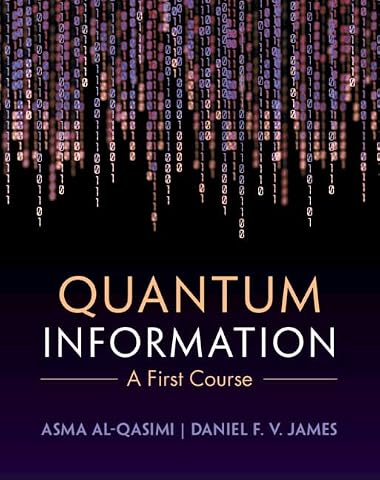
Quantum Information: A First Course
$50.98
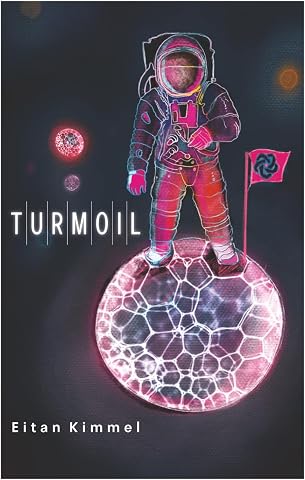
Turmoil
$20.99
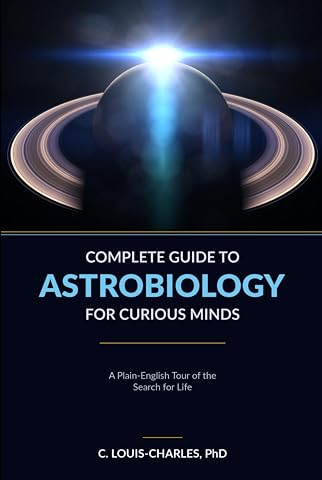
Complete Guide to Astrobiology for Curious Minds: A Plain-English Tour of the Search for Life (The Einstein Circle Trilogy)
$37.89

Basic Concepts of Modern Physics: Quanta, Particles, Relativity
$24.95
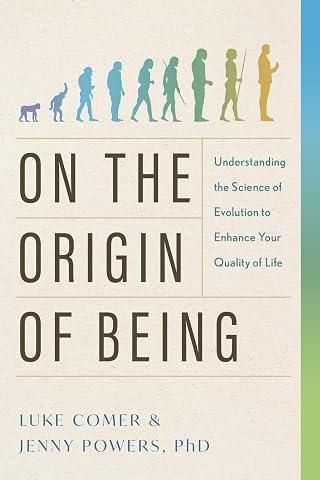
On the Origin of Being: Understanding the Science of Evolution to Enhance Your Quality of Life
$19.01
The Universe and Beyond
$23.53
Photographic Atlas of the Moon: A Comprehensive Guide for the Amateur Astronomer
$32.70