Emotional Incest in Group Psychotherapy: A Conspiracy of Silence
Emotional Incest in Group Psychotherapy: A Conspiracy of Silence examines how blurred boundaries between therapy and non-therapy can affect analytic group psychotherapy. The book discusses seven potential dangers and ways professional organizations may help address concerns about boundary violations.
At a glance
- Treats the boundaries around group therapy as a variable rather than an assumed fixed frame.
- Discusses confidentiality breaches, looping, the pass along effect, gaslighting, overstimulation, the “emperor’s new clothes” effect, and scapegoating.
- Addresses ethical concerns and potential iatrogenic reactions associated with blurred therapy boundaries.
Reference price: $90.00
Price checked: Nov 14, 2026
View offerAhead of Black FridayExplore the selectionPros and cons
Pros
- A focused discussion of boundary issues specific to analytic group psychotherapy.
- The seven identified dangers give readers a concrete framework for considering risks in group treatment.
- At 129 pages, the listed print length is relatively concise for a specialized professional topic.
Technical specifications
8 specifications| Publisher | Rowman & Littlefield |
|---|---|
| Publication date | September 17, 2014 |
| Language | English |
| Print length | 129 pages |
| ISBN-10 | 1442244011 |
| ISBN-13 | 978-1442244016 |
| Dimensions | 6 x 0.5 x 9 inches |
|---|---|
| Weight listed | 12.8 ounces |
What to know before buying
Listing details to confirm
The listing presents an average rating with a small number of ratings and no written customer-feedback summary, so it does not establish which aspects readers liked or disliked.
Who is it for?
A good fit for
- Group psychotherapists considering boundaries, confidentiality, and ethical practice.
- Readers studying analytic group psychotherapy or professional responses to concerns in group treatment.
Less suited to
- Readers looking for a general introduction to psychotherapy rather than a focused discussion of group-treatment boundaries.
- Readers seeking a broad, practical manual covering multiple therapy approaches.
Customer reviews on Amazon
- 5 stars
51% 51% - 4 stars
19% 19% - 3 stars
20% 20% - 2 stars
10% 10% - 1 star
0% 0%
Aggregate ratings are moderately favorable overall, but the distribution also includes three- and two-star ratings. With a small rating sample and no written feedback summary, these figures offer limited guidance about specific strengths or concerns. Buyers should judge fit primarily by the book’s focused topic and listed scope.
Frequently asked questions
What is this book about?
It examines how changes to the boundaries between therapy and non-therapy may affect analytic group psychotherapy, including potential harms and ethical concerns.
Which boundary-related dangers does it discuss?
The listing names confidentiality breaches, looping, the pass along effect, gaslighting, overstimulation, the “emperor’s new clothes” effect, and scapegoating.
Who is the book intended for?
Its subject matter is most relevant to group therapists and readers studying analytic group psychotherapy, especially those interested in boundaries and professional ethics.
How long is the print edition?
The listing gives a print length of 129 pages.
Alternative options

Attachment in Group Psychotherapy
$62.99

It Takes Two to Know One (Relational Perspectives Book Series)
$233.99

Innovations and Elaborations in Internal Family Systems Therapy
$28.55
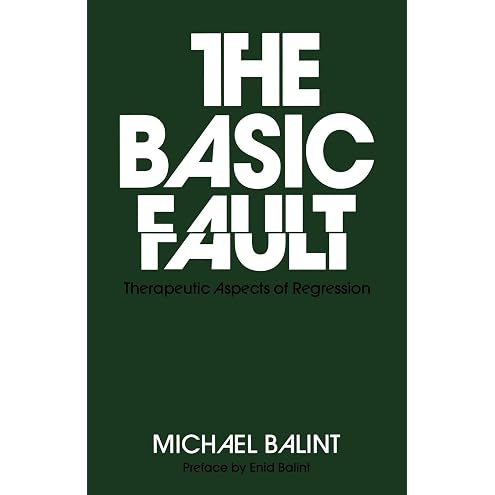
The Basic Fault (Therapeutic Aspects of Regression)
$60.99

The Bodily Roots of Experience in Psychotherapy
$43.99
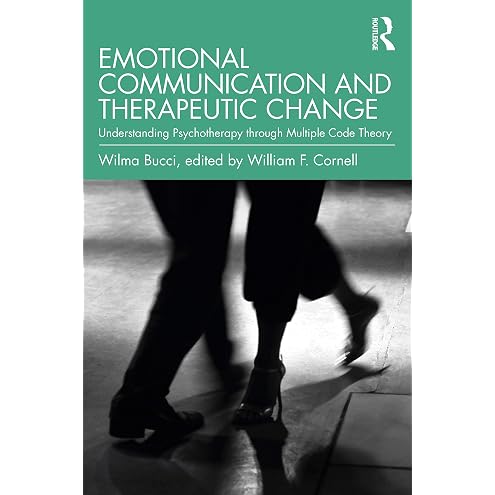
Emotional Communication and Therapeutic Change: Understanding Psychotherapy Through Multiple Code Theory (Relational Perspectives Book Series)
$39.19