 1 / 3
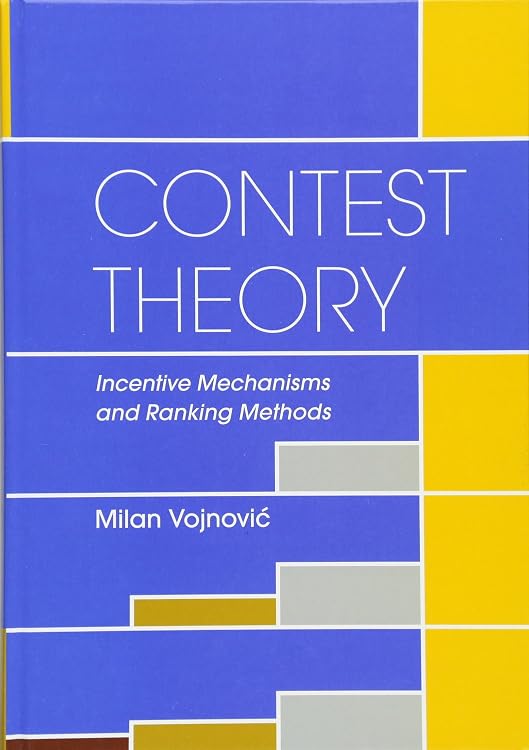
Contest Theory: Incentive Mechanisms and Ranking Methods
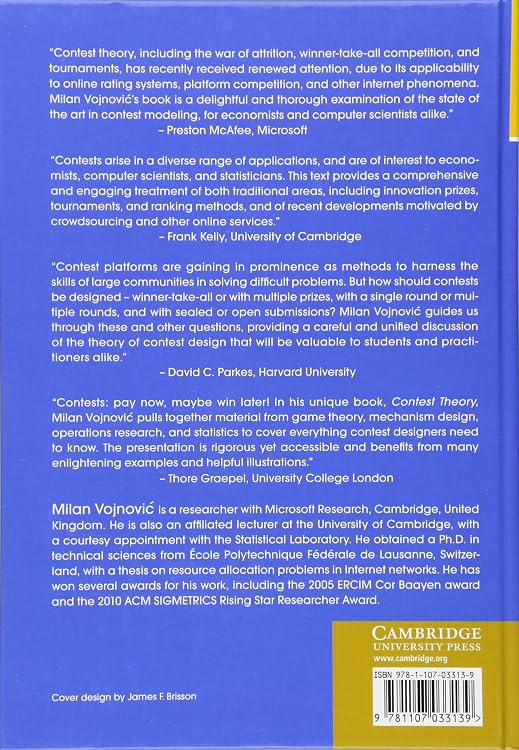
Contest Theory: Incentive Mechanisms and Ranking Methods presents contest theory through economics, computer science, and statistics, with emphasis on online-service applications. Its coverage includes contest design, prize structures, player ranking, allocation mechanisms, and tournaments, making it a substantial reference for researchers, professionals, and students.
At a glance
- Frames contest design in game theory and discusses output, efficiency, and social-welfare measures.
- Covers prize structures and their relationship to contest objectives.
- Includes player skill rating and ranking, proportional allocation, simultaneous and sequential contests, and tournaments.
- Connects contest theory across economics, computer science, and statistics, with a focus on online services.
Reference price: $100.00
Price checked: Nov 14, 2026
View offerAhead of Black FridayExplore the selectionPros and cons
Pros
- Broad, cross-disciplinary treatment of contest theory in a single reference.
- The described coverage ranges from design objectives and allocation to ranking and tournament structures.
Cons
- At 730 pages, this is a sizable specialist text rather than a brief introduction.
Technical specifications
9 specifications| Publisher | Cambridge University Press |
|---|---|
| Publication date | February 4, 2016 |
| Edition | 1st |
| Language | English |
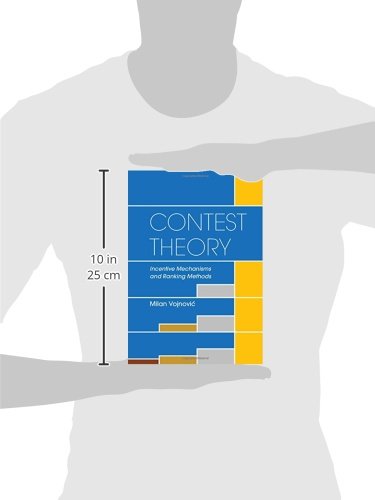
| Print length | 730 pages |
| ISBN-10 | 1107033136 |
| ISBN-13 | 978-1107033139 |
| Weight listed | 3.28 pounds |
|---|---|
| Dimensions | 7.25 x 1.5 x 10.25 inches |
Who is it for?
A good fit for
- Researchers and professionals studying contest design or online-service applications.
- Students seeking a reference spanning game-theoretic contests, ranking, and allocation mechanisms.
Less suited to
- Readers looking for a short, general-interest introduction or practical contest-preparation workbook.
Customer reviews on Amazon
- 5 stars
100% 100% - 4 stars
0% 0% - 3 stars
0% 0% - 2 stars
0% 0% - 1 star
0% 0%
The listing shows a single five-star rating, which is too little feedback to establish a broader customer consensus or identify specific strengths and drawbacks. Consider the book's described scope and length when deciding whether it fits your needs.
Frequently asked questions
What topics does Contest Theory cover?
The listed coverage includes contest design and prize structures, skill rating and ranking, proportional allocation, simultaneous and sequential contests, productive-activity utility sharing, and tournaments.
Who is this book aimed at?
The description identifies professionals, researchers, and students interested in contest theory across economics, computer science, and statistics, particularly online-service applications.
Is this a short introduction?
No. The listing gives a print length of 730 pages, so it is better suited to readers seeking extensive specialist coverage than a concise overview.
Alternative options
Rational Herds: Economic Models of Social Learning
$40.34
Incentives: Motivation and the Economics of Information
$16.99
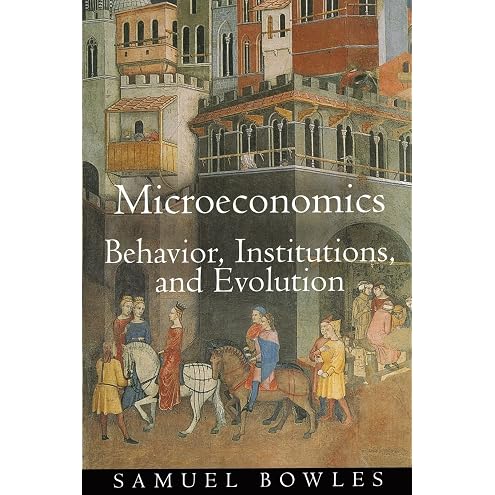
Microeconomics: Behavior, Institutions, and Evolution (The Roundtable Series in Behavioral Economics)
$54.74
The Theory of Incentives: The Principal-Agent Model
$62.96
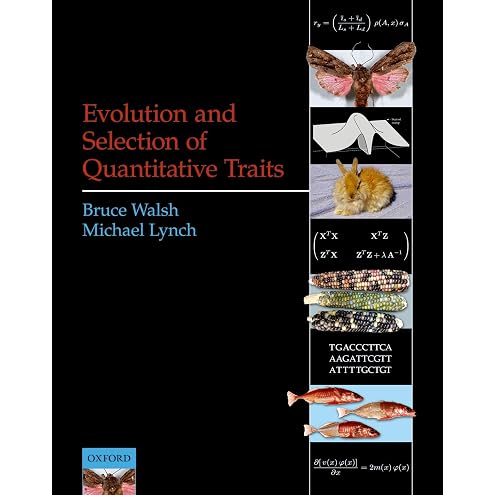
Evolution and Selection of Quantitative Traits
$169.48
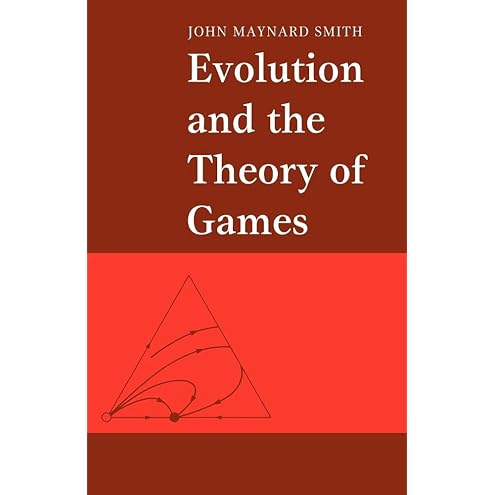
Evolution and the Theory of Games
$65.53
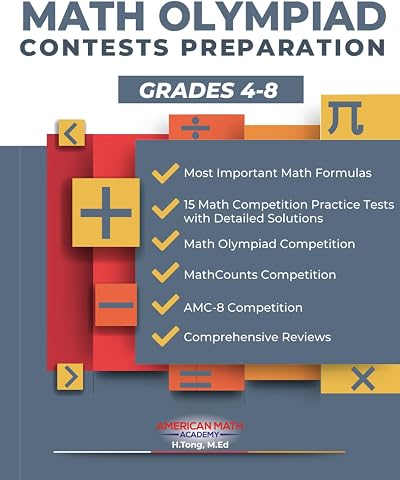
MATH OLYMPIAD CONTESTS PREPARATION GRADES 4-8: AMC-8, MATHCOUNTS, MATHCON,& MATH LEAGUES
$31.01
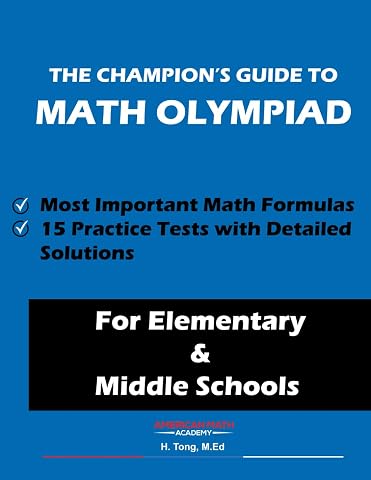
THE CHAMPION’S GUIDE TO MATH OLYMPIAD
$38.99

Turbulence: The Equation Nobody Can Solve: Navier-Stokes, the Million-Dollar Millennium Prize Problem, and the Hidden Mathematics of Everything That Flows
$17.99
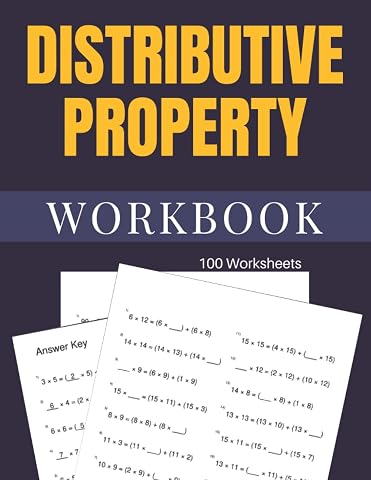
Distributive Property Workbook 100 Worksheets
$24.99
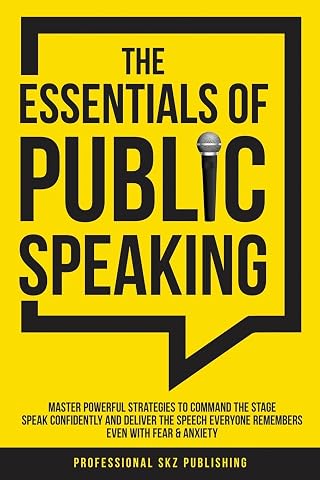
The Essentials of Public Speaking: Master Powerful Strategies to Command The Stage, Speak Confidently, and Deliver The Speech Everyone Remembers, Even With Fear & Anxiety
$14.18
Reading a Tape Measure Workbook 100 Worksheets
$16.99